
Step by Step PPC Setup Guide for Small Business
You want more leads. You want them fast. Pay per click (PPC) advertising can deliver both.
But here’s the problem. Most small business owners waste money on paid search marketing. They set up ads without a plan. They pick the wrong keywords. Then they wonder why nothing works.
This step by step PPC setup guide for small business walks you through everything. You’ll learn how to launch Google Ads that bring in leads within 30 days. No fluff. Just a clear path from zero to results.
What Is Paid Search Marketing?
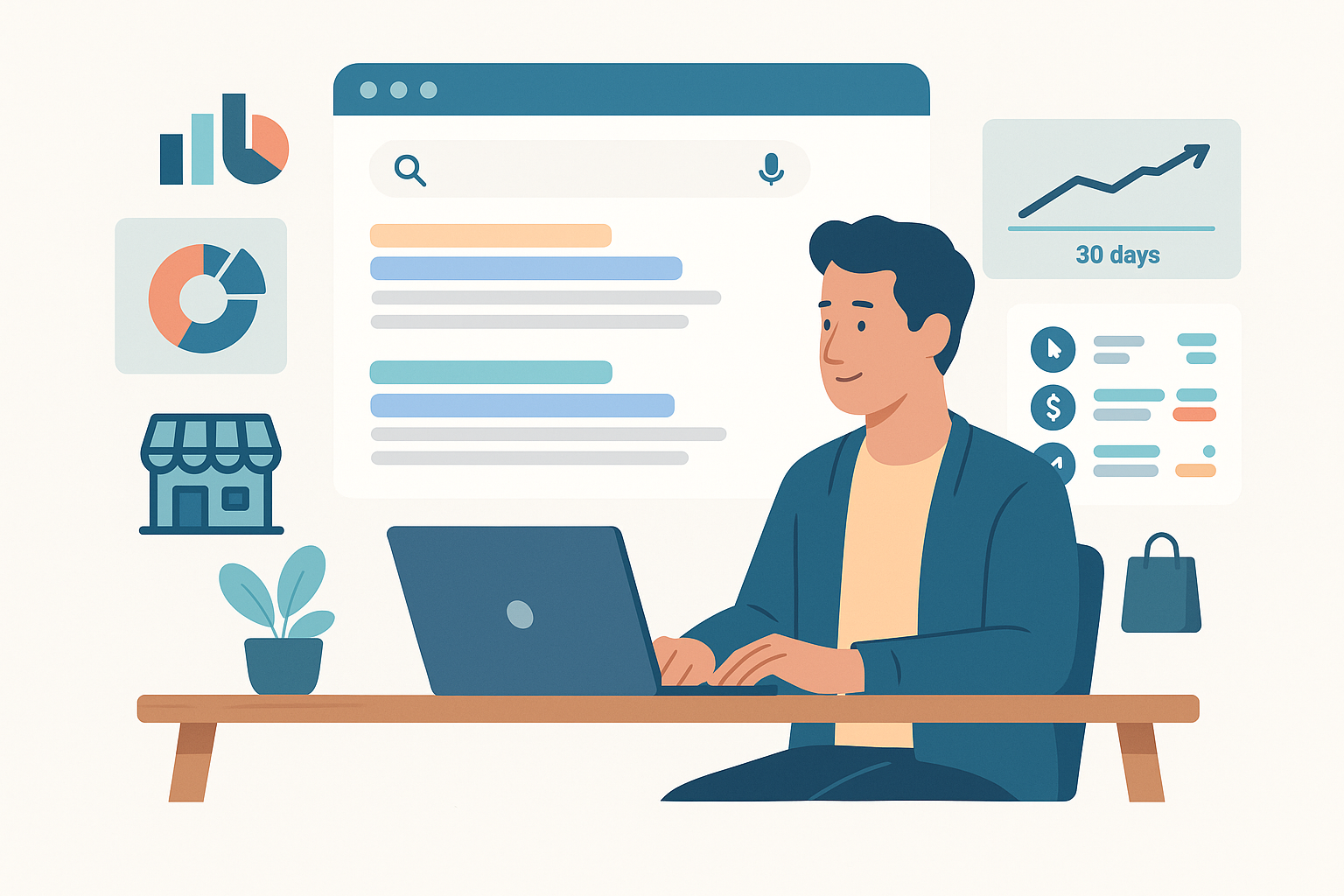
Paid search marketing means paying for ads on search engines. Your ad shows up when someone searches for what you sell. You only pay when someone clicks your ad.
That’s why it’s called pay per click advertising. You set a budget. You pick your keywords. Google shows your ad to the right people.
The best part? PPC works right away. Unlike SEO, which takes months, PPC delivers traffic from day one. That speed makes it perfect for small businesses that need leads now.
Step 1: Define Your Goal

Start with one clear goal. Don’t try to do everything at once. Pick the thing that matters most to your business right now.
Common PPC goals include:
- Getting phone calls from local customers
- Driving form fills on your website
- Sending traffic to a landing page
- Booking appointments or demos
Write your goal down. Make it specific. “Get 20 new leads per month” is better than “get more traffic.”
Step 2: Set Your Budget

You don’t need a huge budget. Many small businesses start with $500 to $1,500 per month. The key is spending smart, not spending big.
Here’s a simple way to think about it. Figure out what one new customer is worth to you. Then work backward from there.
For example, if a customer is worth $1,000, you can afford to spend $100 to get one. If your ads convert at 5%, you need 20 clicks per lead. That means you can pay up to $5 per click. Check out this guide to improving your PPC ad spend for more tips.
Step 3: Do Your Keyword Research

Keywords are the backbone of any PPC campaign. You need to find the words your customers actually type into Google.
How to Find the Right Keywords
Use free tools like Google Keyword Planner to get started. Type in what you sell. Look at the search volume and cost per click.
Focus on keywords with buying intent. Someone searching “best plumber near me” is ready to hire. Someone searching “how to fix a leaky faucet” is not.
Use Negative Keywords
Negative keywords stop your ads from showing for the wrong searches. This saves you money. Add words like “free,” “DIY,” and “jobs” to your negative keyword list.
Review your search terms report every week. You’ll find new negative keywords to add each time.
Step 4: Build Your Campaign Structure
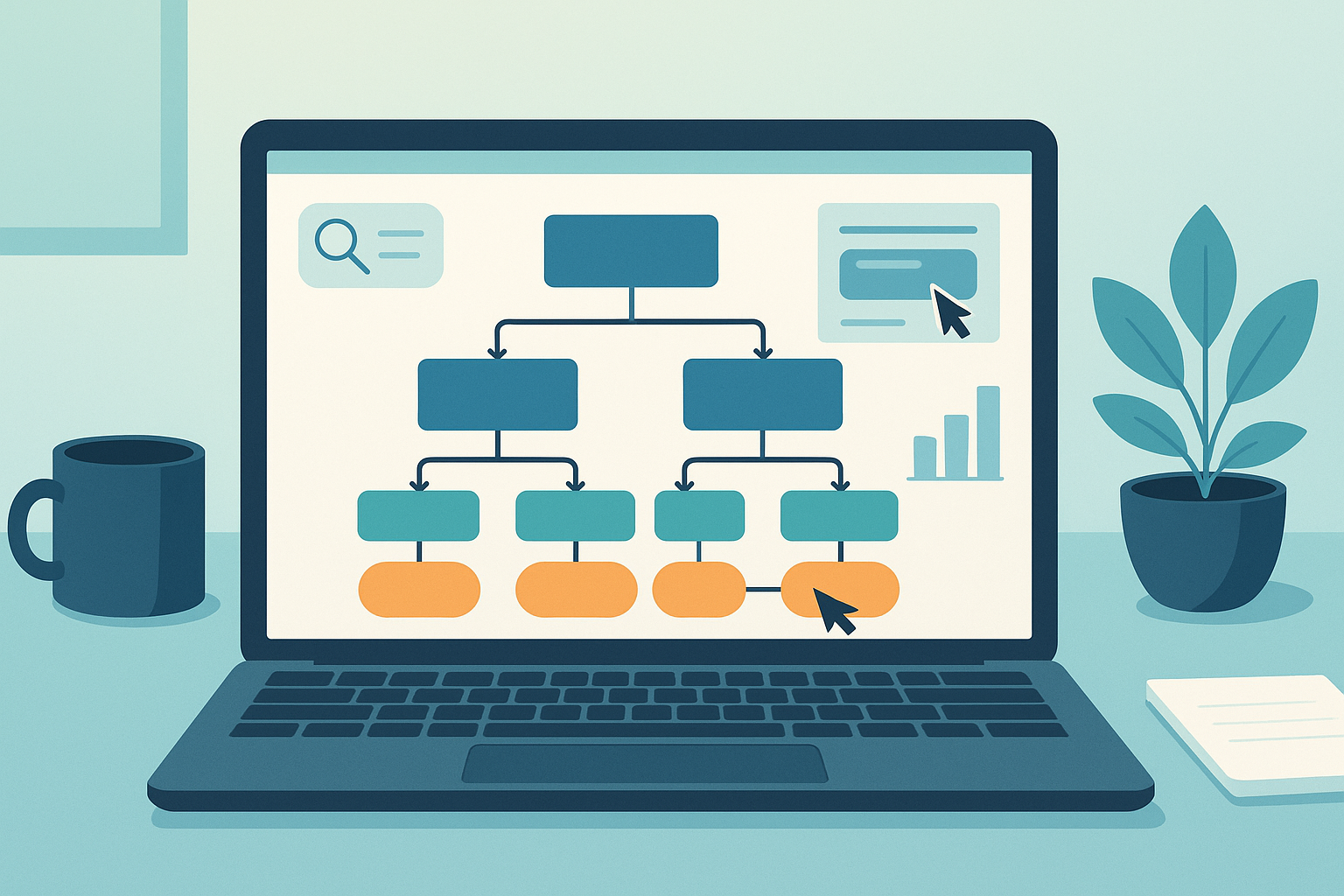
Good structure makes everything easier. It helps you track results. It helps you improve your ads over time.
Follow this simple structure:
- Campaign level: One campaign per service or product category
- Ad group level: Group similar keywords together (5-10 per group)
- Ad level: Write 2-3 ads per ad group for testing
Keep things organized from the start. It saves headaches later.
Step 5: Write Ads That Get Clicks
Your ad copy needs to grab attention fast. You have limited space. Every word counts.
Tips for Better Ad Copy
- Put your main keyword in the headline
- Include a clear call to action (“Call Now,” “Get a Free Quote”)
- Mention what makes you different from competitors
- Add numbers when possible (“Save 20%,” “Serving 500+ Clients”)
- Use all available ad extensions
Write at least two versions of each ad. Google will test them for you. Then you keep the winner and try a new challenger.
Don’t Forget Ad Extensions
Ad extensions give you more space on the search results page. They also improve your click-through rate. Use these extensions:
- Sitelink extensions (links to other pages)
- Call extensions (your phone number)
- Location extensions (your address)
- Callout extensions (short selling points)
Step 6: Create a Landing Page That Converts
Sending ad traffic to your homepage is a mistake. You need a landing page built for one purpose: turning visitors into leads.
A good landing page includes:
- A headline that matches your ad
- A clear description of your offer
- A short form (name, email, phone)
- Trust signals like reviews or logos
- A strong call-to-action button
Your website design matters here. A slow, ugly page kills conversions. Keep it clean, fast, and mobile-friendly.
Step 7: Set Up Conversion Tracking
This step is critical. Without tracking, you’re flying blind. You won’t know which ads work and which waste money.
Set up these tracking tools before you launch:
- Google Ads conversion tracking for form fills and calls
- Google Analytics linked to your Google Ads account
- Call tracking if phone leads matter to your business
According to Search Engine Journal’s PPC guide, businesses that track conversions properly see much better returns on their ad spend.
Step 8: Launch and Monitor Daily
Now it’s time to go live. But launching is just the beginning. The real work starts after your ads go up.
Your First Week Checklist
- Check your search terms report daily
- Add negative keywords as needed
- Make sure your ads are showing
- Verify conversion tracking is working
- Watch your cost per click and budget pacing
Don’t panic if results are slow at first. Google needs data to learn. Give your campaign at least 7-10 days before making big changes.
Step 9: Improve Your Campaigns Week by Week
PPC is not a “set it and forget it” channel. You need to improve your campaigns every week. Small tweaks add up to big results.
Weekly Tasks
- Pause low-performing keywords
- Raise bids on keywords that convert
- Test new ad copy
- Review your quality score
- Adjust your budget based on results
After 30 days, you’ll have enough data to see what works. Double down on winners. Cut the losers. This is how you turn a good campaign into a great one.
When to Consider a Google Ads Management Agency
Managing PPC takes time. If you’re running a business, you may not have hours each week to spare. That’s when a Google Ads management agency can help.
Consider getting help if:
- You’re spending over $2,000 per month on ads
- You don’t have time to check campaigns weekly
- Your cost per lead is too high
- You want to scale to new markets or services
A good agency brings experience and tools you don’t have. They spot problems faster. They know what works across many industries. You can learn more about paid search campaign tips for small businesses to decide if you need extra support.
Frequently Asked Questions
How much should a small business spend on PPC?
Most small businesses start with $500 to $1,500 per month. Your ideal budget depends on your industry and goals. Start small. Scale up once you see what works.
How fast can PPC generate leads?
You can see clicks on day one. Real lead flow usually starts within 1-2 weeks. By day 30, you should have enough data to know if your campaign is working.
What’s the difference between PPC and SEO?
PPC gives you instant visibility by paying for clicks. SEO builds free traffic over time through content and site improvements. Most businesses benefit from both.
Can I run Google Ads myself?
Yes. Google Ads is designed for self-service. This guide gives you everything you need to get started. Just be ready to spend time learning and improving your campaigns.
What is a good cost per lead for PPC?
It varies by industry. Service businesses often see $30 to $100 per lead. E-commerce can be lower. The key is making sure your cost per lead is less than what a customer is worth.
What are pay per click advertising services?
Pay per click advertising services include campaign setup, keyword research, ad writing, and ongoing management. These services are offered by freelancers and agencies who specialize in paid search marketing.
How do I know if my PPC campaign is working?
Track your conversions. Look at cost per lead, click-through rate, and return on ad spend. If you’re getting leads at a price you can afford, your campaign is working.
Wrapping Up: Your 30-Day PPC Action Plan
Let’s recap the key steps in this guide:
- Set a clear, specific goal
- Pick a budget you’re comfortable with
- Research keywords with buying intent
- Build a clean campaign structure
- Write compelling ads and test them
- Create a focused landing page
- Set up conversion tracking before launch
- Monitor daily in the first week
- Improve weekly based on data
Paid search marketing is one of the fastest ways to grow a small business. You don’t need to be an expert to start. You just need a plan and the willingness to learn.
Take the first step today. Set up your Google Ads account. Follow this guide. And if you ever feel stuck, explore more resources on our blog or reach out for guidance. You’ve got this.