
PPC Campaign Case Study: How Landing Page Optimization Cut Our Cost per Lead by 32%
I want to tell you about a project that changed how I think about paid search marketing. A client came to us spending about $4,200 a month on Google Ads. Their cost per lead was hovering around $87. Not terrible for their industry (commercial cleaning), but not great either. Three months later, we’d dropped that number to $59.
No magic. No secret hack. Just a combination of PPC management and SEO work that most people treat as separate things — but shouldn’t.
Here’s what actually happened, step by step.
The Problem Wasn’t the Ads

This is the part that trips people up. When cost per lead is too high, the instinct is to mess with the ads. New headlines, different keywords, adjusted bids. And sure, sometimes that helps. But when I looked at this account, the click-through rate was actually decent — around 4.8% on their top campaigns. People were clicking.
They just weren’t converting once they landed.
The landing pages were.. fine. They existed. They had a form. But they were basically copy-pasted from the main website, loaded slowly on mobile, and the messaging didn’t match what the ads were promising. Classic disconnect.
So we had a paid search marketing problem that was really a landing page problem. And fixing landing pages properly meant bringing SEO thinking into a PPC conversation.
What We Actually Changed (The PPC Campaign Case Study)
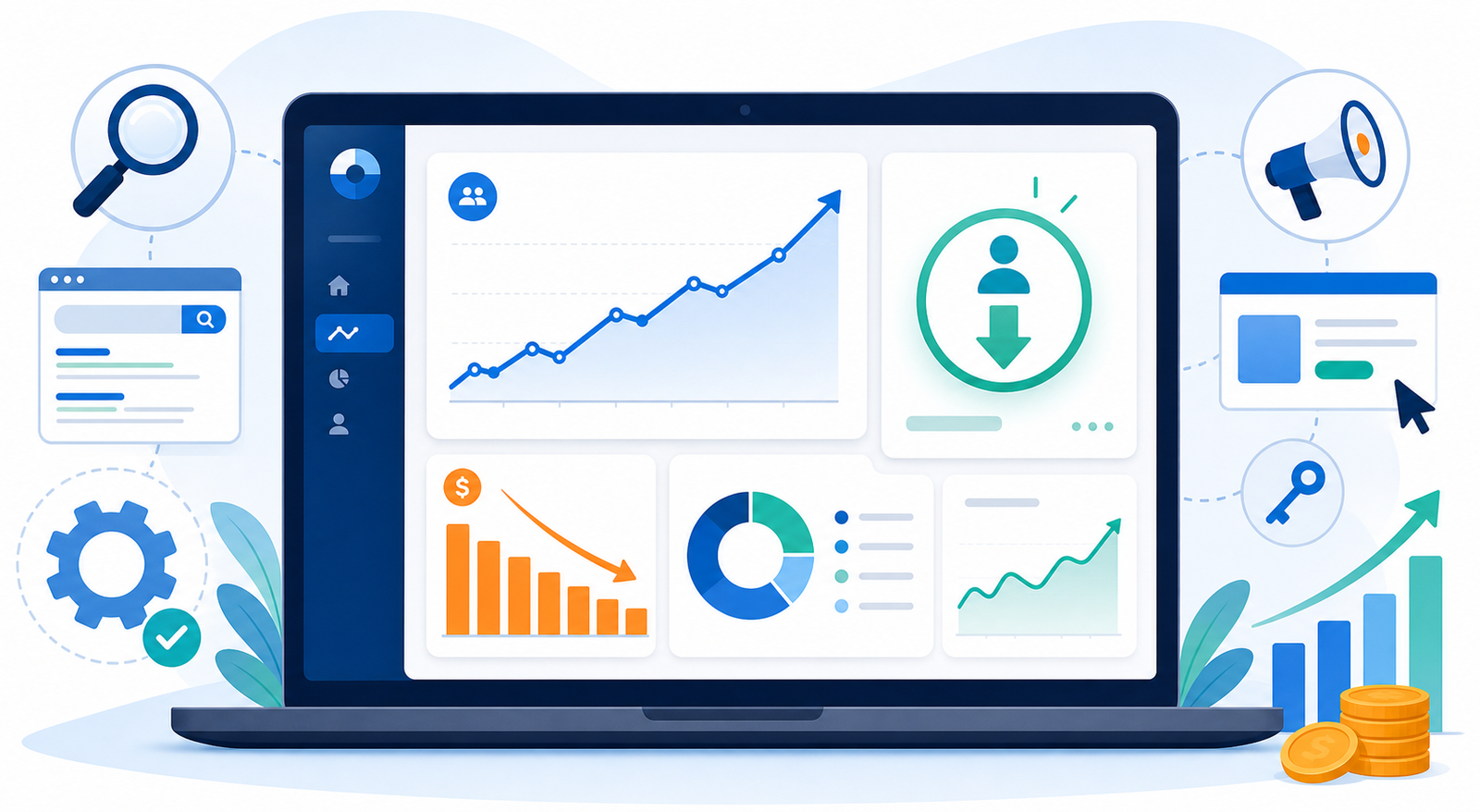
Step 1: We Rebuilt the Landing Pages
Not redesigned — rebuilt. From scratch. Here’s what mattered:
- Message match. If the ad said “same-day commercial cleaning quotes,” the landing page headline said exactly that. Not “Welcome to ABC Cleaning” — nobody cares about your welcome message when they’re looking for a quote.
- One page, one goal. We stripped out the navigation menu, removed links to the blog, killed the “About Us” sidebar. The only thing you could do on that page was fill out the form or call the number.
- Mobile-first layout. Their old pages loaded in 6.2 seconds on mobile. We got that down to 2.1 seconds. That alone probably moved the needle more than anything else.
- Social proof above the fold. We pulled in three Google review snippets and their BBB rating. Took maybe 20 minutes to add, but it gave visitors a reason to trust the form.
If you want to dig deeper into page speed and structure, there’s a solid guide on building pages that rank and convert that covers the technical side.
Step 2: We Used SEO Data to Fix the PPC Keywords
Here’s where it gets interesting. Most people run PPC and SEO as totally separate efforts. Different teams, different tools, different meetings. That’s a mistake.
We pulled search query data from Google Search Console — the organic side — and compared it to the paid search terms report. What we found: the PPC campaigns were bidding on broad, expensive terms like “cleaning service” and “office cleaning company.” Meanwhile, the organic data showed that their actual customers were searching for stuff like “commercial cleaning quote [city name]” and “janitorial service for medical office.”
Way more specific. Way cheaper per click. And way more likely to convert because the intent was clearer.
We restructured the campaigns around these longer-tail terms. Average CPC dropped from $4.10 to $2.85. Not because we found some loophole — just because we listened to what the SEO data was already telling us.
The relationship between PPC and SEO is more connected than most people realize. They feed each other if you let them.
Step 3: Landing Page Optimization (The Ongoing Part)
Building new pages was step one. Then came the testing.
We ran A/B tests on:
- Form length (5 fields vs. 3 fields — 3 won, obviously)
- CTA button text (“Get My Free Quote” beat “Submit” by 22%)
- Adding a phone number as a click-to-call button on mobile
That last one was a big deal. About 38% of their conversions ended up coming through phone calls, not form fills. If we hadn’t added click-to-call tracking, we would’ve thought the campaigns were performing worse than they actually were.
Real talk: if you’re running paid search and not tracking calls, you’re flying blind. Especially for service businesses.
The Numbers After 90 Days
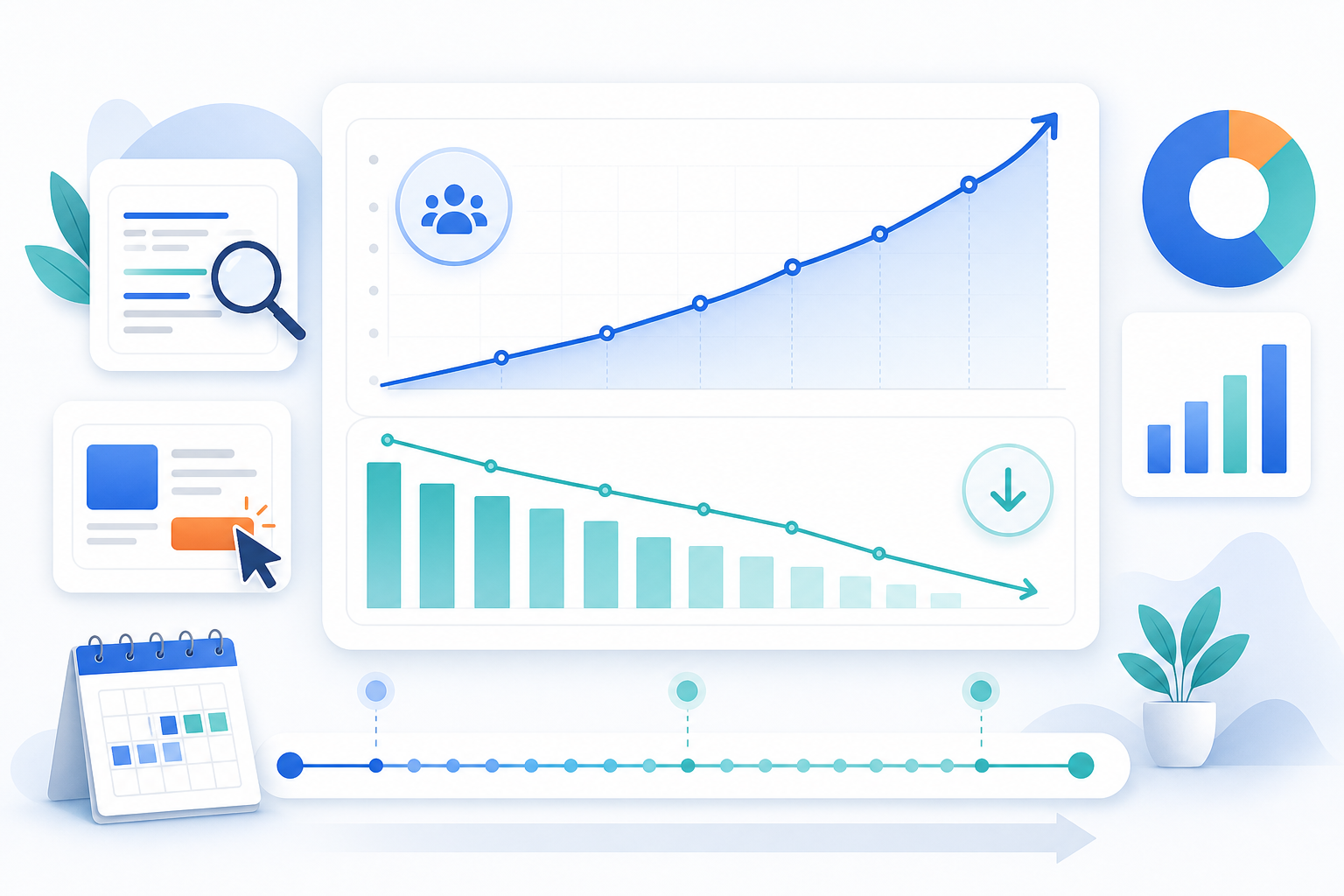
Here’s the before and after:
- Cost per lead: $87 → $59 (32% reduction)
- Conversion rate: 3.2% → 7.1%
- Monthly leads: 48 → 71 (on the same budget)
- Average CPC: $4.10 → $2.85
Same $4,200/month spend. Just spent way more effectively.
And here’s the part I really like — because we built the landing pages with proper SEO structure (good headings, fast load times, relevant content), they started ranking organically for some of those long-tail terms within about two months. Free leads on top of the paid ones.
Why This Works Better Than Tweaking Ads Alone
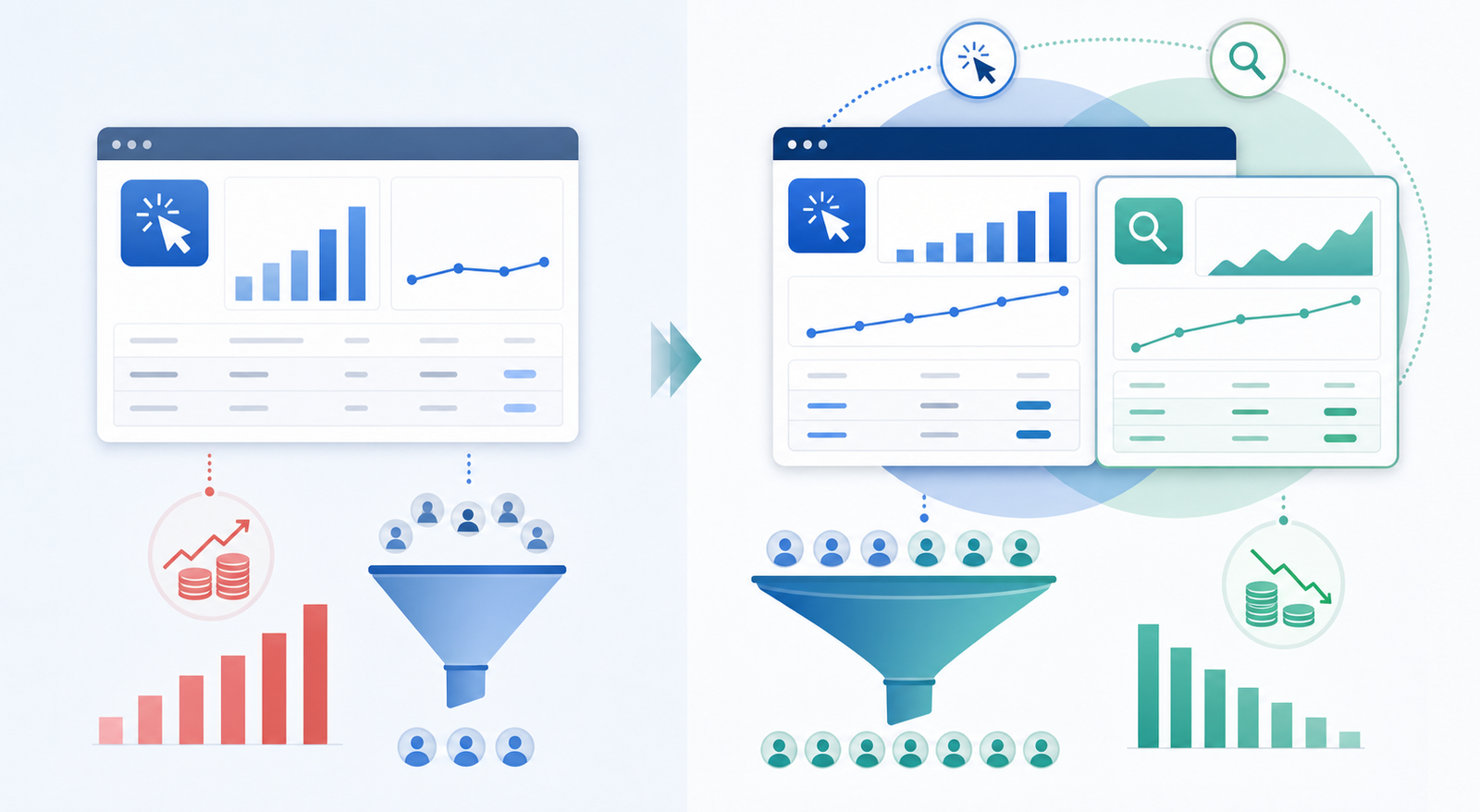
I’ve managed PPC accounts where we spent weeks testing ad copy variations and moved the needle by maybe 5%. That’s fine. But when you fix the landing page — the thing people actually interact with after they click — the improvements tend to be much bigger.
Think about it this way. Your ad’s job is to get the click. Your landing page’s job is to get the lead. If you’re only working on one half, you’re leaving money on the table.
Good PPC management services should always include landing page work. If someone’s managing your ads but never mentions your landing pages, that’s a red flag. I’ve written about how to get more from your PPC ad spend before, and landing pages come up every single time.
The SEO Services Angle (Don’t Skip This)
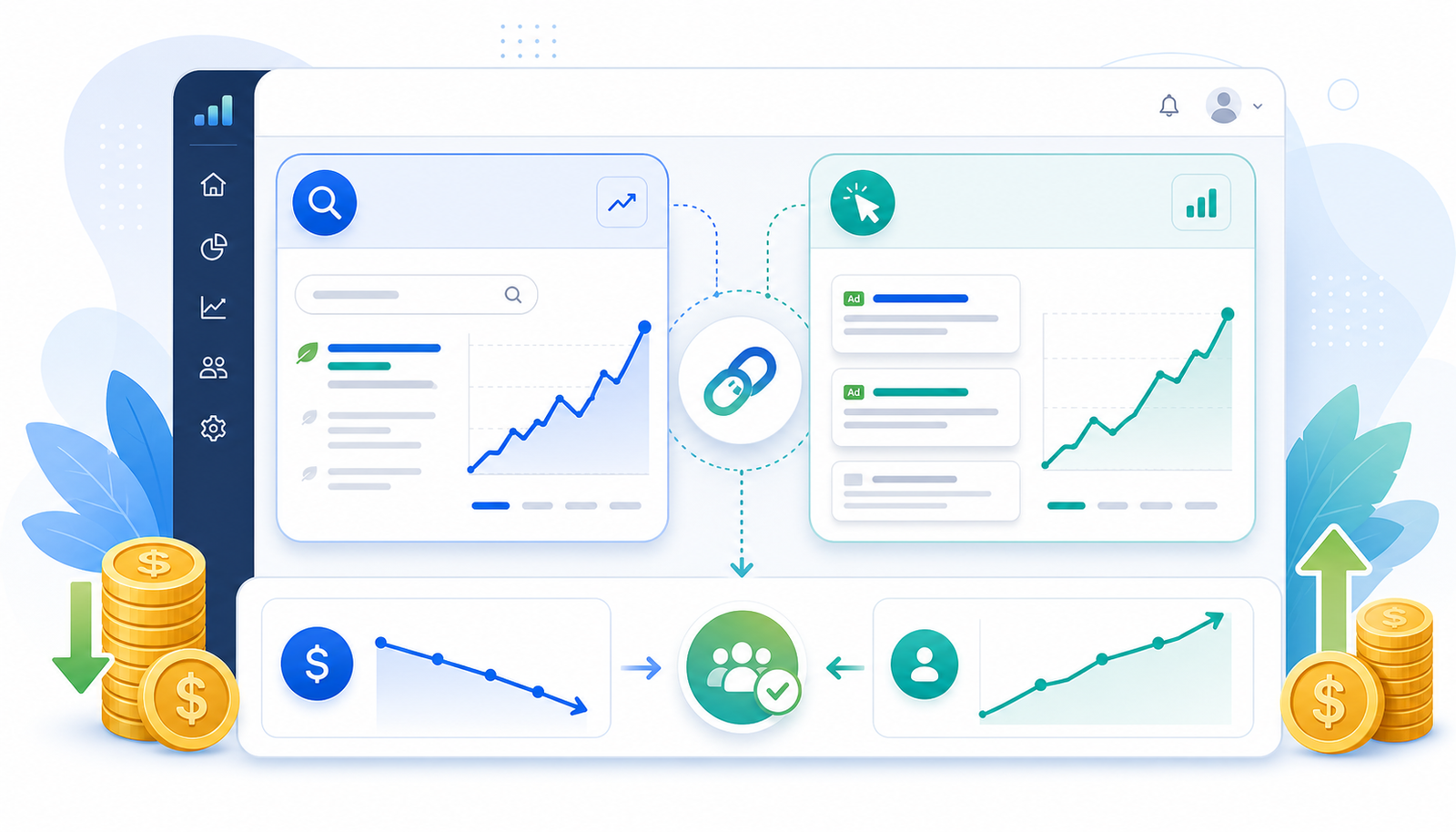
I keep coming back to this because it matters: the SEO work made the PPC work better, and vice versa.
Specifically:
- SEO keyword research revealed cheaper, higher-intent keywords for PPC
- PPC conversion data showed us which keywords were worth building organic content around
- Landing pages built for PPC started ranking organically — double the value
- Improved page speed (an SEO fix) directly improved Quality Score in Google Ads, which lowered CPC
That last point is worth pausing on. Google’s Quality Score — which affects how much you pay per click — factors in landing page experience. So technical SEO improvements like page speed, mobile usability, and content relevance literally make your ads cheaper. confirms this, and it’s one of the most overlooked ways to cut PPC costs.
If you’re treating SEO services and PPC management as two separate budget lines with no crossover, you’re probably overspending on both.
What You Can Steal From This
You don’t need to overhaul everything at once. If I had to pick the three things that moved the needle most in this ppc campaign case study landing page optimization project:
- Fix your landing page speed. Use Google’s PageSpeed Insights and aim for under 3 seconds on mobile. This is the single highest-ROI change for most small businesses.
- Match your ad message to your landing page headline. Exactly. Not approximately. Exactly.
- Cross-reference your SEO and PPC keyword data. You’ll almost certainly find cheaper, better keywords hiding in your organic search data.
That’s it. Those three things alone could get you most of the way there.
FAQ
How long does it take to see results from landing page optimization?
We saw meaningful movement within 3-4 weeks. The conversion rate started climbing almost immediately after launching the new pages. The CPC improvements from better Quality Scores took closer to 6-8 weeks.
Do I need separate landing pages for every ad group?
Ideally, yes — or at least for every major service category. But if that feels overwhelming, start with your highest-spend campaigns. Fix those first, then expand.
Can I just use my homepage as a landing page?
Please don’t. Your homepage has navigation, multiple messages, links going everywhere. A landing page needs one message and one action. They’re fundamentally different things.
What if I’m already running SEO — do I still need PPC?
Depends on your timeline and competition. SEO builds long-term traffic, PPC gets you leads now. They work best together — I’ve seen the data on this repeatedly. There’s a deeper breakdown of how to track leads from both channels if you want the full picture.
How much should I budget for landing page work?
A good landing page can cost anywhere from $500 to $3,000 depending on complexity. But think of it as an investment that reduces your ongoing ad costs. In this case study, the landing page work paid for itself in under 6 weeks through lower cost per lead.
What tools do you use for A/B testing landing pages?
Google Optimize was the go-to for a long time (it’s been sunset), but now we mostly use Unbounce or just run manual tests with Google Ads experiments. For smaller budgets, even just testing two different pages by splitting traffic in your ad groups works fine.
Is a 32% reduction in cost per lead realistic for my business?
Honestly — it depends. If your landing pages are already solid and your campaigns are well-structured, you might see 10-15%. If your landing pages are a mess (and most are), 30%+ is absolutely doable. The worse your starting point, the bigger the potential improvement.
Wrapping Up
The biggest takeaway from this whole project wasn’t any single tactic. It was the realization that PPC and SEO aren’t separate channels — they’re two sides of the same coin. When you let them inform each other, everything gets cheaper and more effective.
If your cost per lead feels stuck, look at your landing pages before you touch your ads. That’s where the money usually is.
If you want to explore this stuff further, there’s plenty more on the blog — or just drop us a line if you’re staring at a Google Ads account and not sure where to start.