
Tracking PPC and Local SEO Lead Generation: A DC Metro Case Study
You’re spending money on Google Ads. You’re also working on local search rankings. But do you know which channel brings in your best leads? Most small business owners in the DC Metro area don’t.
That’s a problem. Without tracking PPC and local SEO lead generation together, you waste budget. You also miss chances to grow. This guide walks you through a real case study. You’ll learn how one DC Metro business combined PPC management services with local SEO services to double their leads.
Think of this as a playbook you can follow. Every tactic here is something you can start doing today.
The Challenge: Two Channels, Zero Visibility

A home services company in Northern Virginia had two problems. First, they ran Google Ads but couldn’t tell which clicks turned into phone calls. Second, they had a Google Business Profile but weren’t tracking how many leads it sent.
They spent about $3,000 per month on ads. They also paid for SEO work. But their reporting was a mess. Leads came in by phone, form fills, and emails. Nobody knew which channel deserved credit.
Sound familiar? If you’re not sure whether to learn more about PPC vs. SEO and which is right for your business, you’re not alone.
Step 1: Set Up Proper Lead Tracking
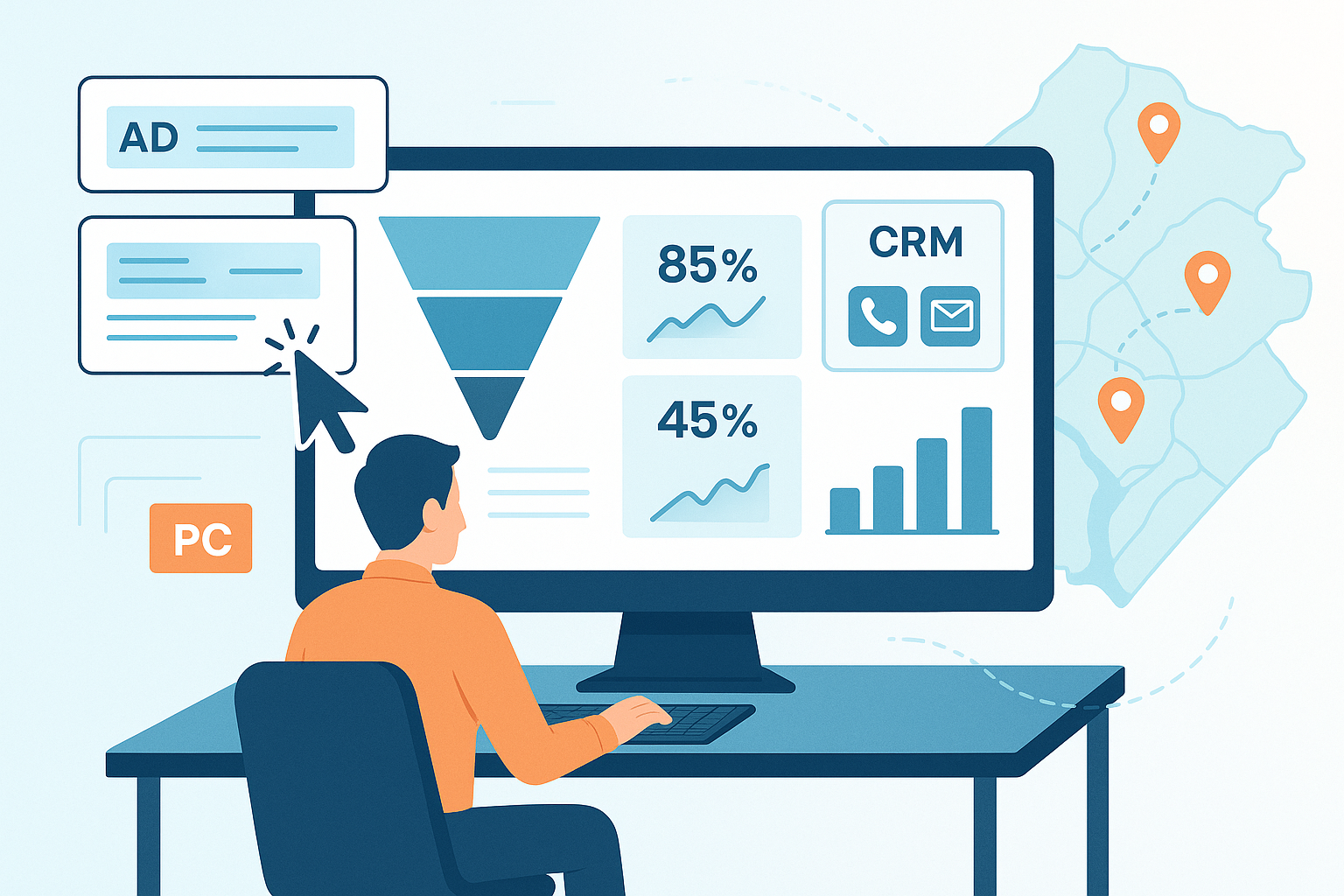
The first move was simple. They set up call tracking and form tracking for every channel. Here’s what that looked like:
- Call tracking numbers: One unique number for Google Ads. A different one for the Google Business Profile. A third for the website.
- Form tracking: Every contact form had hidden fields. These fields recorded the traffic source.
- Google Analytics goals: They set up goals for form fills, calls, and chat messages.
This took about two days to finish. But it changed everything. Now they could see exactly where each lead came from.
Why Most Businesses Skip This Step
Tracking feels technical. It’s not as exciting as launching a new ad. But without it, you’re flying blind. You can’t improve what you can’t measure.
That’s a big deal.
Step 2: Improve PPC Management Services Setup
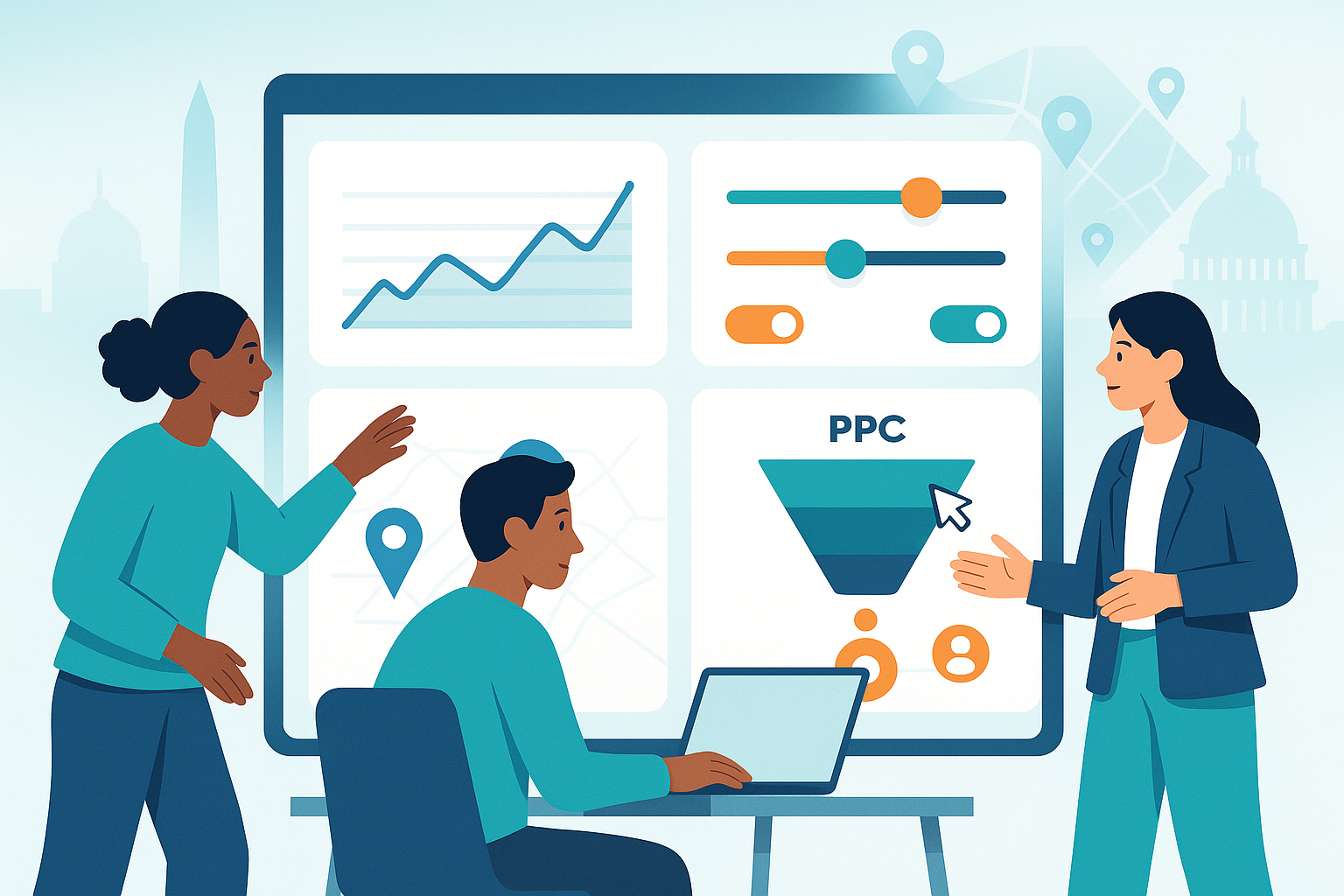
With tracking in place, they rebuilt their Google Ads account. Here’s what changed:
- Location targeting: They narrowed ads to a 25-mile radius around their service area in the DC Metro.
- Negative keywords: They blocked searches like “DIY,” “free,” and “jobs.” This cut wasted clicks by 40%.
- Ad extensions: They added call extensions, location extensions, and review snippets.
- Landing pages: Each ad group got its own landing page. No more sending traffic to the homepage.
These changes dropped their cost per lead from $85 to $52. That’s real money back in their pocket. For more tips like these, check out this guide on how to improve your PPC ad spend.
The Google Ads Management Agency Question
Many business owners ask: should I manage ads myself? Or hire a Google Ads management agency? Here’s a simple rule of thumb:
- If you spend under $1,000/month, you can learn the basics yourself.
- If you spend over $2,000/month, expert help usually pays for itself.
- If you don’t have time to check your account weekly, get help.
The key is finding someone who shares data with you. You should always own your ad account and your tracking data.
Step 3: Build Out Local SEO Services
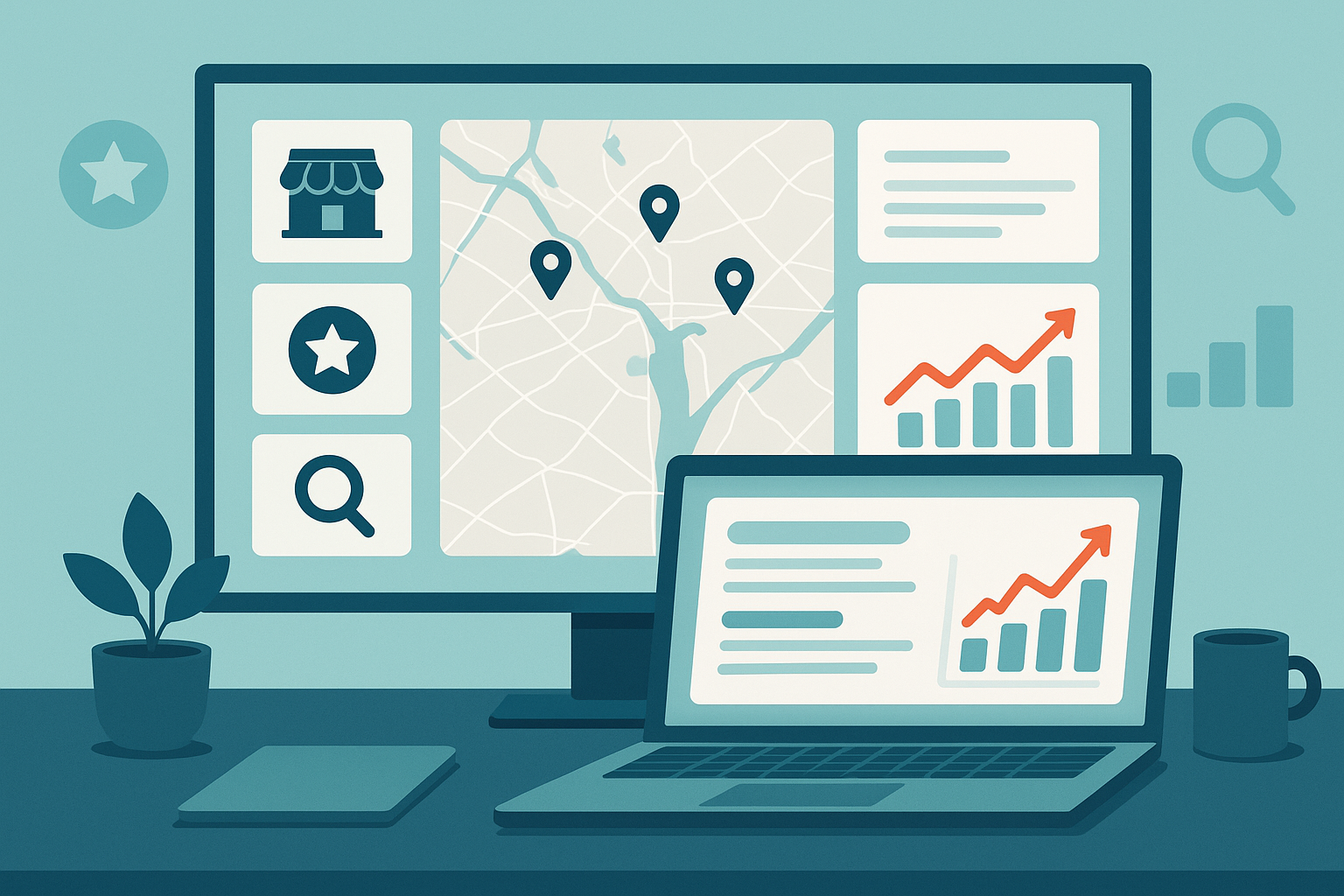
While PPC brings fast leads, local SEO builds long-term traffic. This business needed both. Here’s what they did for local SEO:
- Google Business Profile: They filled out every field. They added photos weekly. They posted updates twice a month.
- Reviews: They set up an automated text message asking happy customers for reviews. In 90 days, they went from 23 to 78 reviews.
- Local citations: They listed the business on 40+ directories with the same name, address, and phone number.
- Local content: They wrote blog posts about their services in specific cities. Think “Plumbing Tips for Arlington Homeowners.”
Within four months, their Google Business Profile views jumped 150%. Phone calls from the profile doubled. For a deeper dive, read this practical guide to local SEO in the DC Metro.
Step 4: Connect PPC and Local SEO Data
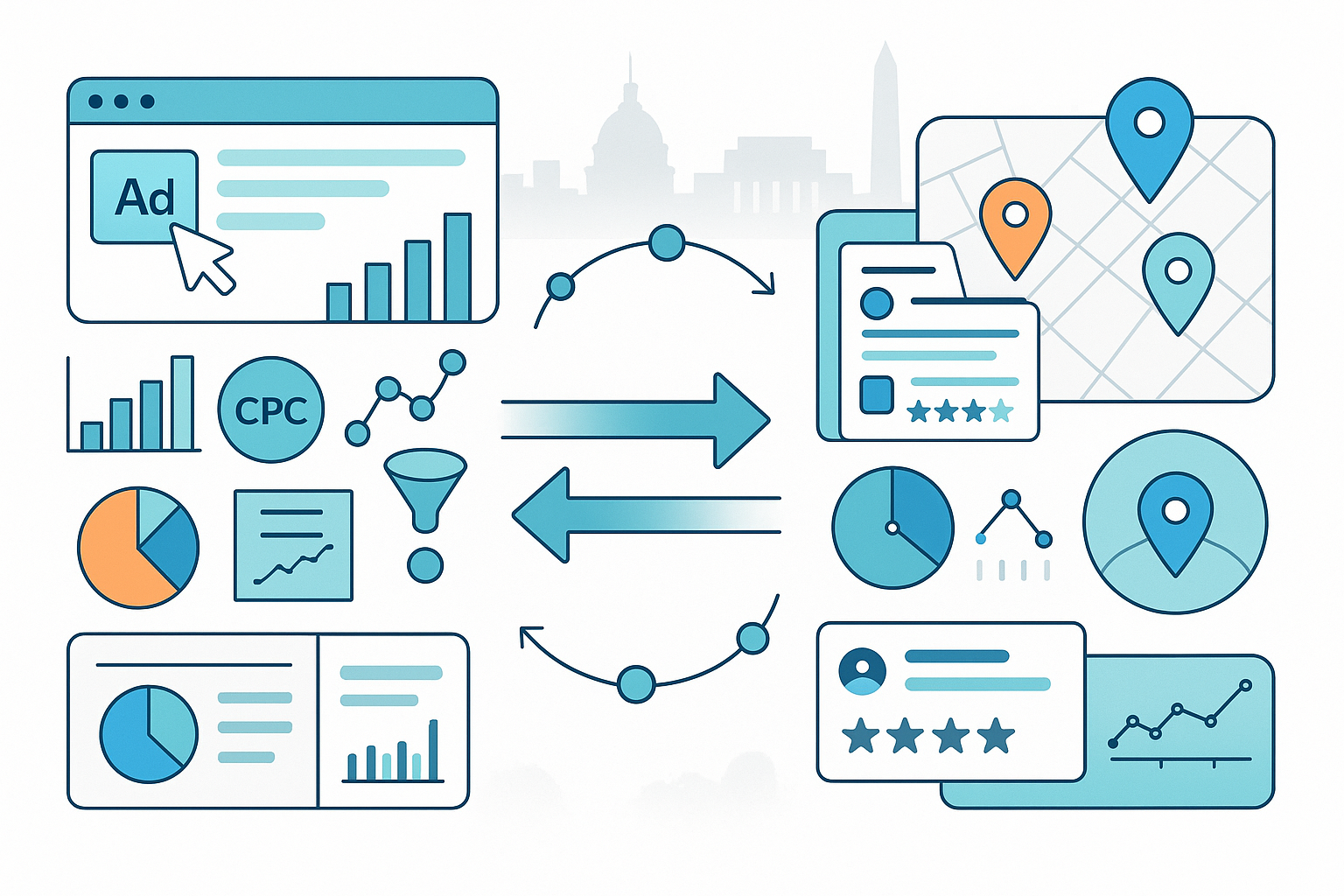
Here’s where the magic happens. Most businesses treat PPC and SEO as separate efforts. This company connected them. Here’s how:
Shared Keyword Data
They looked at which PPC keywords had the best conversion rates. Then they used those same keywords in their SEO content. This meant their blog posts and service pages targeted proven terms.
Remarketing From SEO Traffic
People who found the site through organic search but didn’t convert got remarketing ads. These ads cost just $0.50 per click. They brought back 15% of lost visitors.
One Dashboard for Everything
They built a simple Google Looker Studio dashboard. It showed leads from PPC, organic search, and the Google Business Profile side by side. Every Monday, they reviewed it for 15 minutes.
This dashboard made tracking PPC and local SEO lead generation easy. No spreadsheets. No guessing.
The Results: What Changed
After six months of running PPC and local SEO together with proper tracking, here’s what happened:
- Total leads per month: Went from 35 to 82.
- Cost per lead: Dropped from $85 to $41.
- Organic traffic: Grew 200% from local searches.
- Google Business Profile calls: Went from 12 to 31 per month.
- PPC conversion rate: Jumped from 3.2% to 7.8%.
The biggest win? They could finally see which dollars worked hardest. They shifted budget from weak campaigns to strong ones every month.
Lessons You Can Apply Today
You don’t need a huge budget to copy this approach. Here are the key takeaways:
- Track everything first. Set up call tracking and form tracking before you spend another dollar on ads.
- Use PPC data to guide SEO. Your best-converting ad keywords should become your SEO targets.
- Use SEO traffic for remarketing. Don’t let organic visitors leave forever. Bring them back with cheap display ads.
- Review data weekly. A 15-minute check each week beats a monthly panic session.
- Think local. For DC Metro businesses, local targeting in both PPC and SEO cuts waste fast.
As points out, local search drives high-intent traffic. These are people ready to buy.
Tools That Make Tracking Easier
You don’t need fancy software. Here are free or low-cost tools that work:
- Google Analytics 4: Free. Tracks website traffic and conversions.
- Google Search Console: Free. Shows which searches bring organic clicks.
- Google Looker Studio: Free. Builds visual dashboards from your data.
- CallRail or CallTrackingMetrics: Paid. Tracks phone calls by source.
- Google Tag Manager: Free. Manages all your tracking codes in one place.
Start with the free tools. Add paid ones as your budget grows. You can also explore ways to maximize your marketing ROI with the tools you already have.
FAQ: Tracking PPC and Local SEO Lead Generation
What is the difference between PPC and local SEO?
PPC (pay-per-click) means you pay for each ad click. Local SEO means improving your free search rankings in your area. PPC gives fast results. Local SEO takes longer but costs less over time.
How do I track leads from Google Ads?
Set up conversion tracking in your Google Ads account. Use call tracking numbers on your ads. Add form tracking to your landing pages. Google Ads will then show you which keywords and ads create leads.
How do I track leads from local SEO?
Use Google Business Profile Insights to see calls and direction requests. Set up Google Analytics goals on your website. Use unique phone numbers on your Google Business Profile to track calls.
Can I run PPC and local SEO at the same time?
Yes, and you should. They work better together. PPC brings fast leads while SEO builds up. Over time, strong SEO can lower your need for paid ads. But most businesses benefit from running both.
How much should I spend on PPC in the DC Metro area?
Most small businesses start with $1,500 to $3,000 per month. The DC Metro is competitive. Lower budgets can work if you target specific neighborhoods or services. The key is tracking results and adjusting.
How long does local SEO take to show results?
Most businesses see changes in 3 to 6 months. Reviews and Google Business Profile updates can show results faster. Content and link building take longer. Patience and consistency are essential.
What’s the most important metric to track?
Cost per lead. This tells you how much you spend to get one potential customer. Track it for PPC and SEO separately. Then compare. This helps you put money where it works best.
Wrapping Up: Start With Tracking
The biggest lesson from this case study is simple. Tracking PPC and local SEO lead generation changes everything. You stop guessing. You start making smart choices with your budget.
You don’t need to do everything at once. Start by setting up basic call and form tracking. Then build from there. Even small steps give you better data than most of your competitors have.
If you want to learn more about combining digital channels, explore the blog for more guides and tips. And if you ever need a hand making sense of your data, don’t hesitate to reach out for guidance.