
Email Campaign Management Tips for Small Businesses
Here’s something I have seen many times: a small business owner signs up for Mailchimp or Constant Contact. They send a few emails, get weak results, and then stop. The tool just sits there unused. Sound familiar?
Email still works very well. It is not flashy. No one makes TikToks about email strategies. But businesses that do email campaigns right get better results than almost any other way. They get about $36-$40 back for every dollar spent, according to HubSpot’s email marketing data.
The problem is not email. It is how most small businesses use it. Let me show you what works and what wastes your time.
Start With a List That Means Something
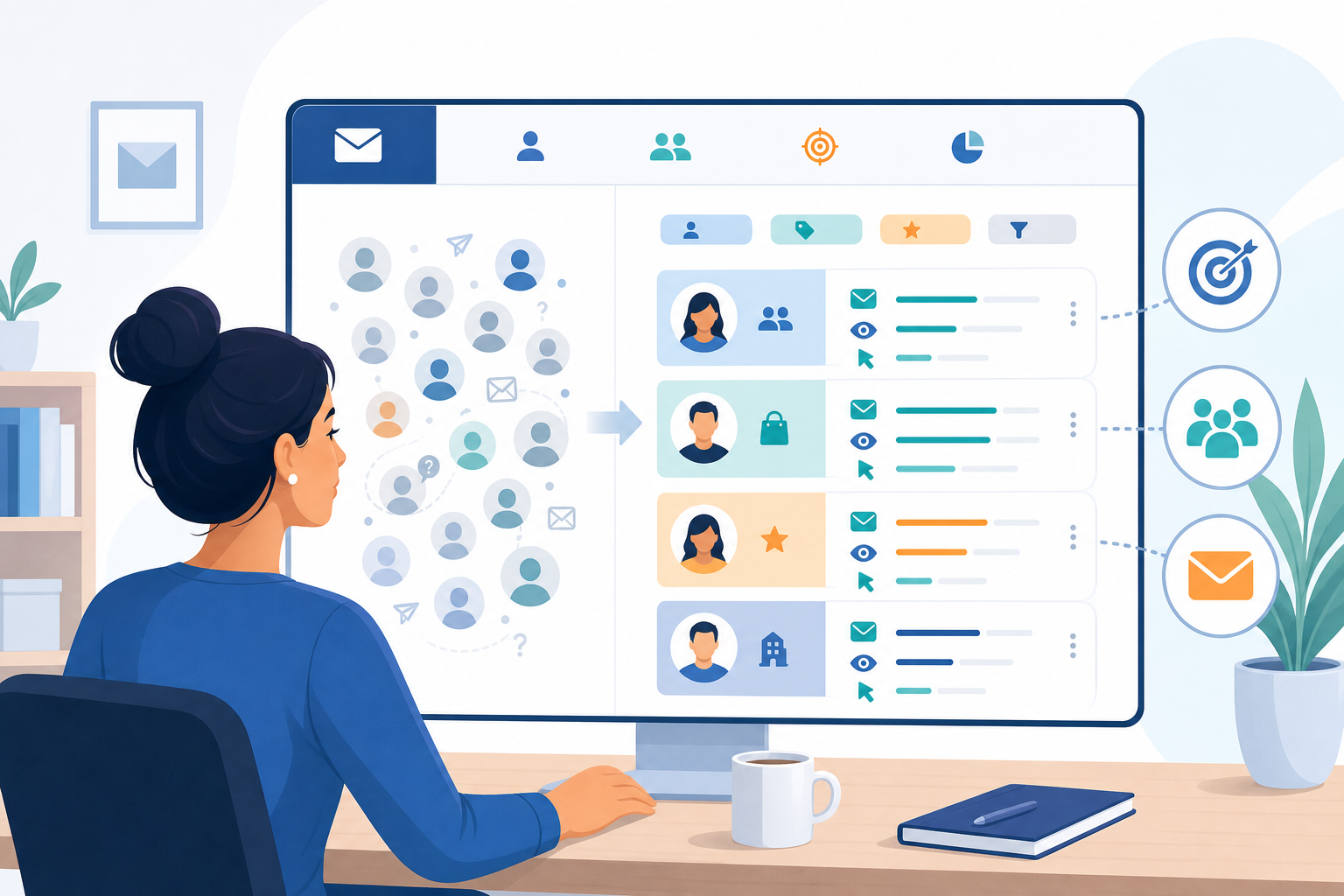
Your list quality matters more than its size. I worked with a bakery that had 400 subscribers and got 45% open rates. Another client had 8,000 contacts but only 12% open rates. Guess who made more money from email?
The bakery owner.
Here is what matters for building your list:
- Only add people who really signed up. Buying lists wastes money and hurts your sender reputation.
- Use a simple signup form — just name and email. Extra fields lower your signup rate.
- Clean your list often. If someone hasn’t opened an email in six months, send a re-engagement email. If they still don’t respond, remove them. Smaller, active lists work better than big, dead ones.
If you want to learn more about how email fits into your marketing, I wrote about how email marketing boosts conversions for small businesses. It is worth reading if you are unsure about investing time here.
Subject Lines Are Where Most People Blow It
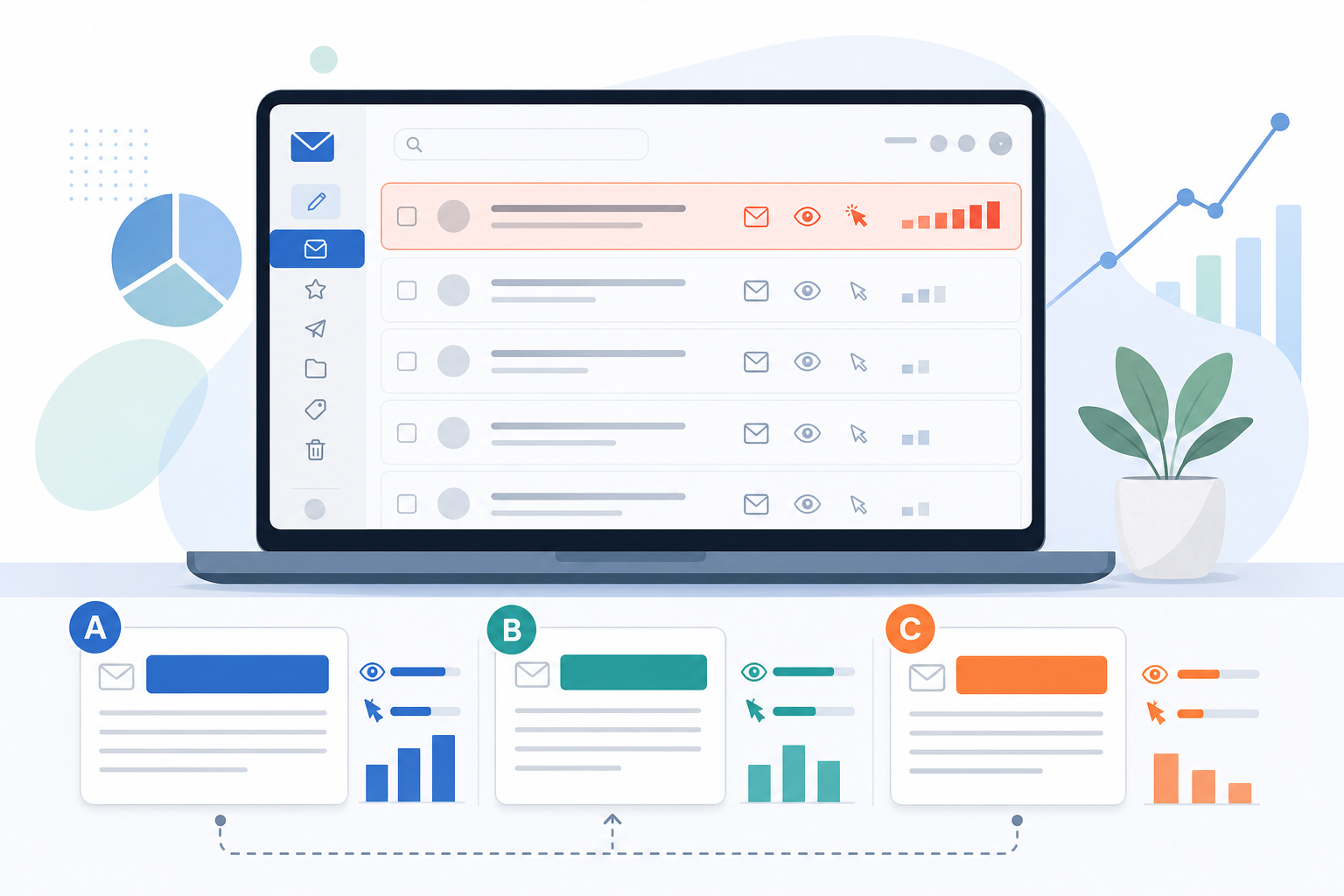
You can write a great email. But it does not matter if no one opens it.
I tested hundreds of subject lines in many industries. Here is what works: curiosity and being specific. Vague subject lines like “Our Monthly Newsletter” get ignored. But “The $12 mistake that’s costing you customers” gets clicks.
Some tips that work well:
- Keep it under 50 characters (most people check email on their phones)
- Use the recipient’s first name — but not every time, or it feels creepy
- Ask a question they want answered
- Create a small information gap — give enough to be curious, but not all the answers
And please, stop using ALL CAPS and too many exclamation marks. Spam filters and people hate that.
Segmentation: The Thing That Changes Everything
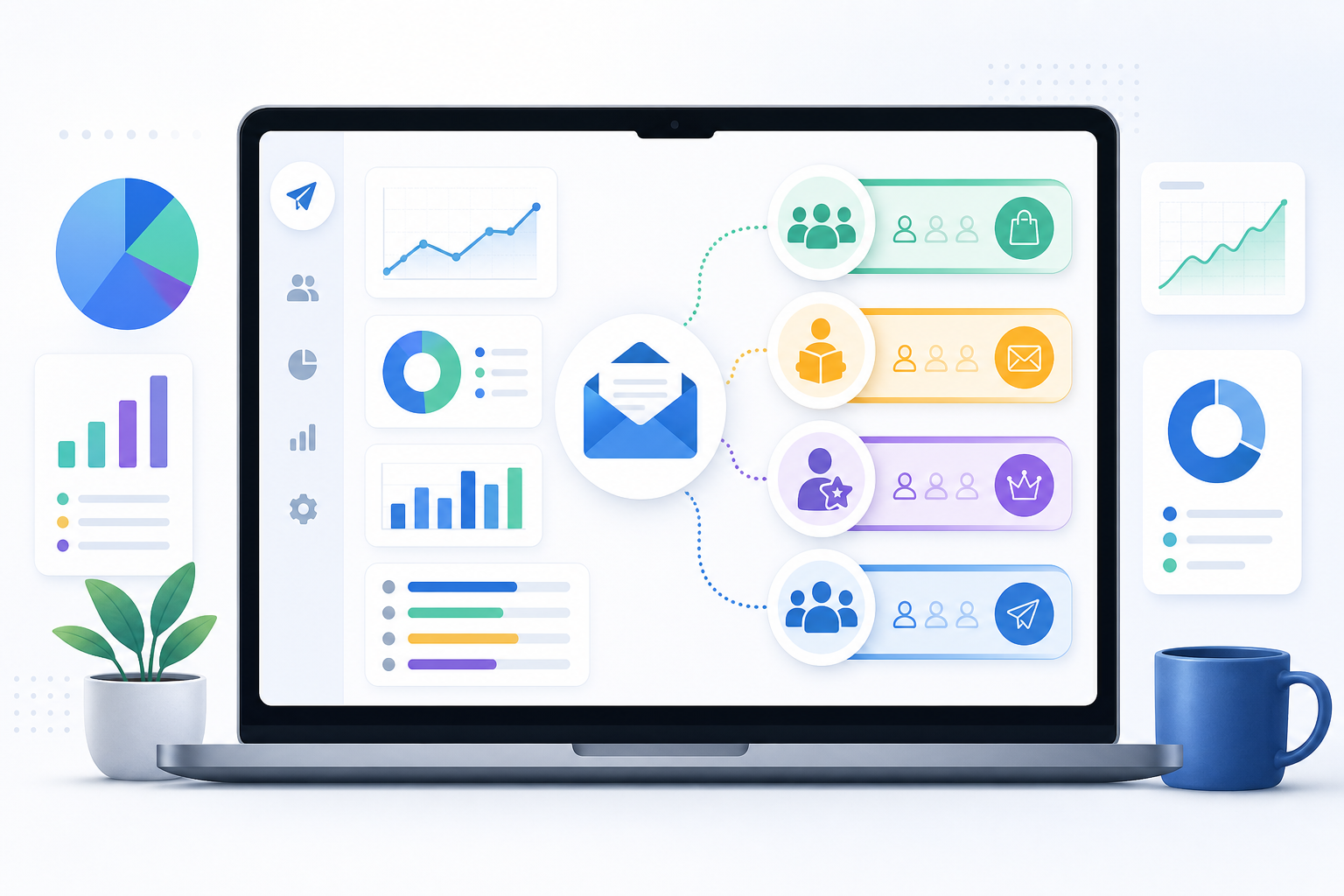
If you send the same email to your whole list, you lose money. Segmentation means splitting your list into smaller groups by behavior, interests, or demographics. This is the biggest way to improve your email campaigns.
I had a client with a pet supply store. They split their list by pet type (dog owners, cat owners, or both). Their click rate jumped from 2.1% to 7.8% in one month. Same products, same emails, just more relevant content.
You do not need to be fancy. Even simple segments help:
- New subscribers vs. long-time customers
- People who bought recently vs. those who have not
- Subscribers who open every email vs. those who rarely do
Most email services — Mailchimp, ConvertKit, ActiveCampaign — make this easy. You do not need to be a data expert.
What Goes Inside the Email (and What Doesn’t)
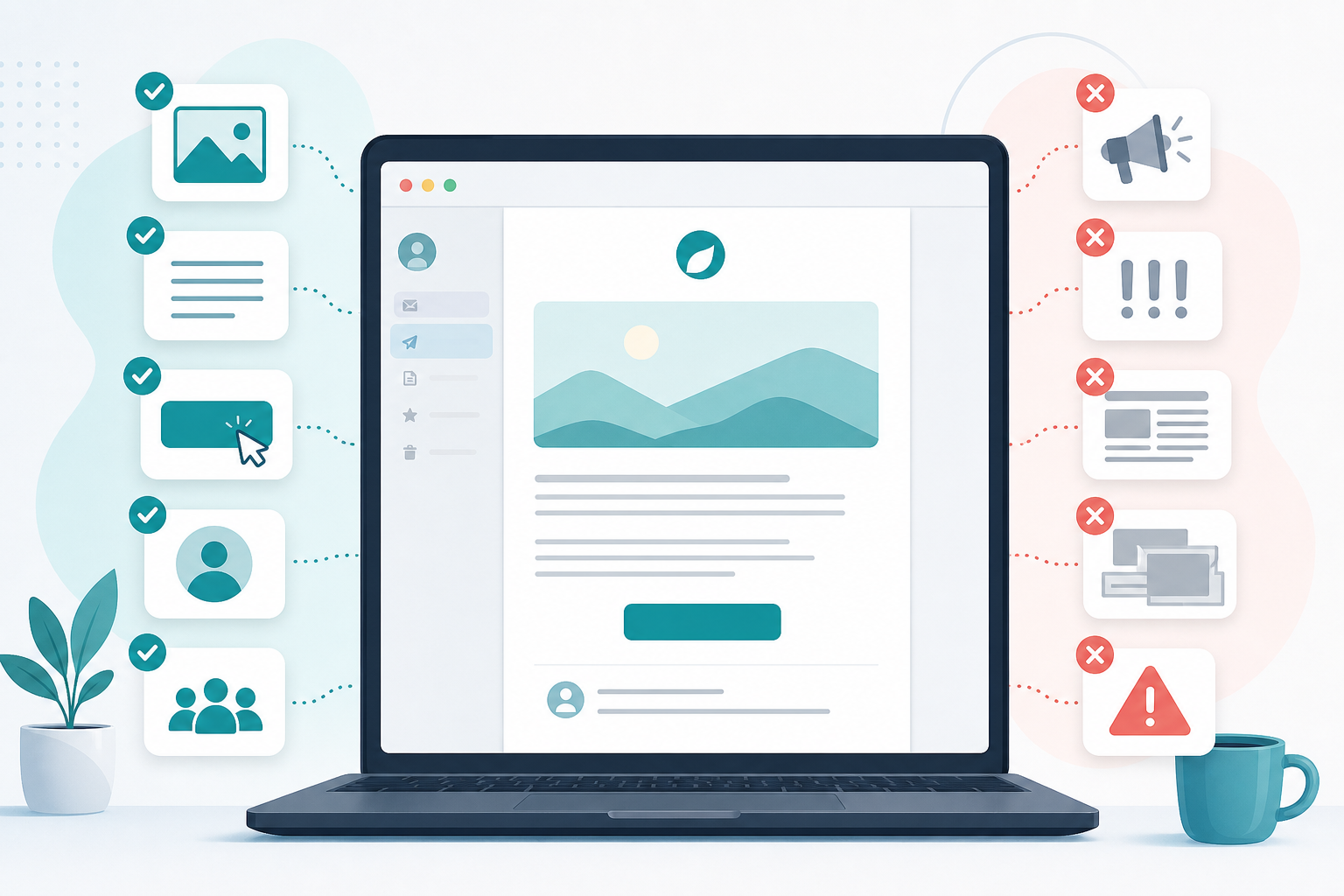
Small businesses often overthink emails. They spend hours on fancy designs with many offers. But no one reads them.
The best emails are simple. One idea. One ask. That is the key.
Here are some tips:
Keep it easy to scan. Use short paragraphs. Bold the important parts. Most people skim emails on their phones.
Write like a person. Not like a press release. The best emails sound like they come from a real person. Use “I” and “you.” Tell a quick story. Be a little casual.
One clear call to action (CTA). “Shop the sale,” “Book your appointment,” or “Read the full post.” Pick one. If you give five options, people choose none.
Plain text emails often do better than fancy ones for small businesses. Think about which emails you read. Probably the ones that feel like they came from a friend, not a billboard.
Timing and Frequency: Don’t Overthink This
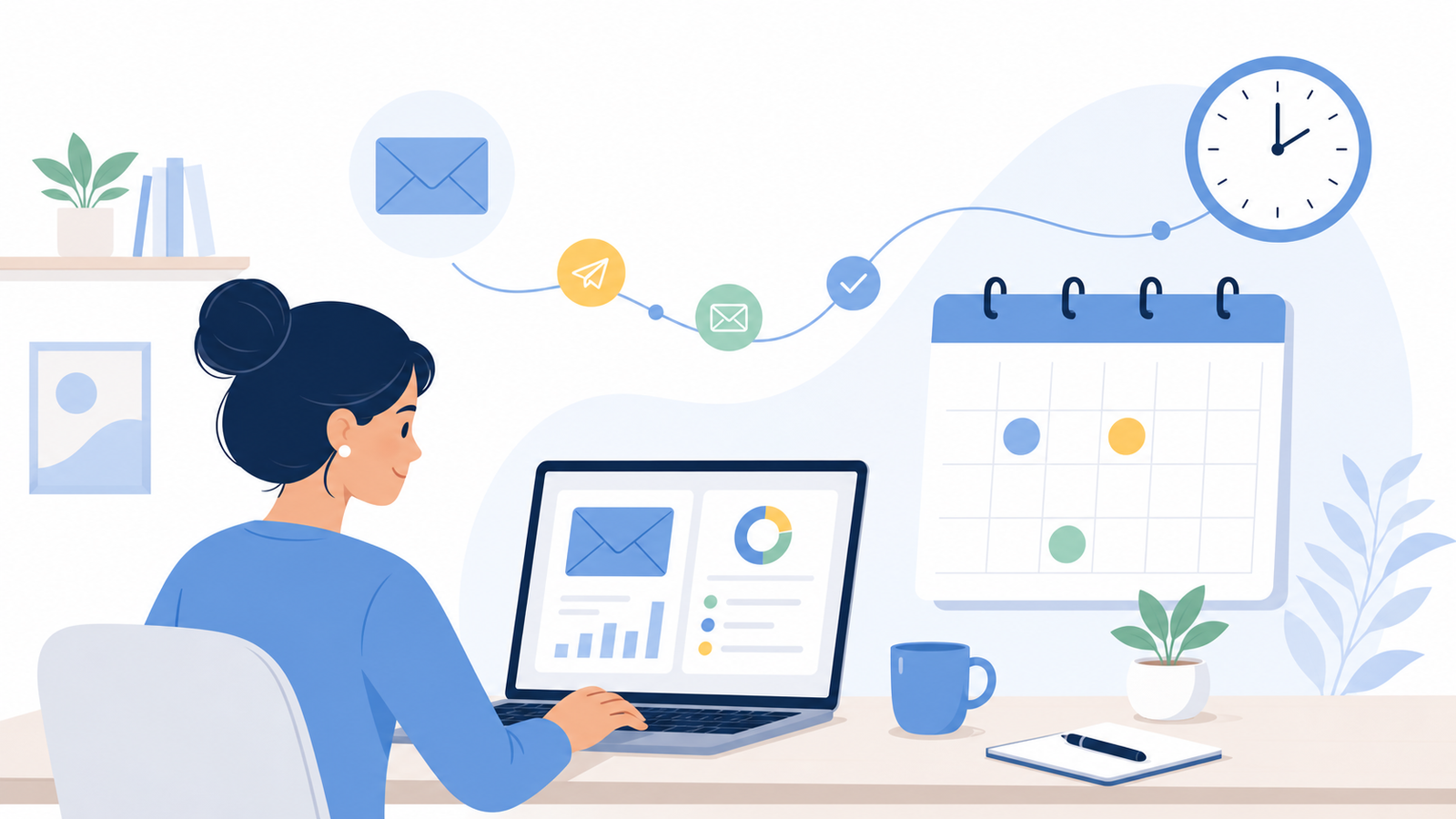
People argue about the best time to send emails. Tuesday at 10am? Thursday at 2pm? It depends on your audience. The only way to know is to test.
Consistency matters more than timing. If you send emails every Tuesday, people expect them. That builds a habit and more engagement.
For frequency, most small businesses should send emails once a week to twice a month. Less than that, and people forget you. More than that, and you might annoy them. Test and watch your unsubscribe rates. They will tell you if you send too much.
Automation Is Your Secret Weapon
Automation lets small businesses do more with less effort. Setting up a few basic email automation workflows means your emails work while you sleep. It does not have to be hard.
Start with these three:
Welcome sequence. When someone joins your list, send 3-4 emails in two weeks. Introduce yourself, share your best content, maybe offer a discount. First impressions matter a lot.
Abandoned cart emails. If you sell online, this is a must. A simple “Hey, you left something behind” email gets back 5-10% of lost sales. That is free money.
Re-engagement emails. For quiet subscribers. A simple “We miss you — here’s 15% off” can bring them back. If not, it is time to clean them off your list.
Track What Matters, Ignore the Rest
You can get lost in email numbers. Here is what matters for small businesses:
- Open rate — shows if your subject lines work (aim for 20%+)
- Click-through rate — shows if your content and CTAs work (2-5% is good)
- Unsubscribe rate — watch if it spikes after an email
- Revenue per email — the number that pays your bills
Don’t focus on numbers that look good but don’t help your business. A 50% open rate means nothing if no one clicks or buys. Focus on numbers that help your business grow.
For a bigger view of email with other marketing, this guide explains it well.
A Quick Note on Deliverability
None of this works if your emails go to spam. Keep these in mind:
Set up your domain correctly (SPF, DKIM, DMARC). Your email service will help. Don’t use “noreply@” addresses. Keep bounce rates low by cleaning your list. Avoid spam words in subject lines — Mailmodo has a good list of words to avoid.
This is a bit technical but only needs to be done once. It makes everything else work better.
FAQ
How often should I email my list?
Once a week is a good start for most small businesses. But consistency is more important than how often. It is better to send a great email twice a month than a so-so one every three days.
Do I really need to segment my list if it’s small?
Yes. Even with 200 subscribers, sending cat content to dog owners wastes time. Start with two or three groups. You can add more later.
What’s the best email marketing service for small businesses?
It depends on what you need. Mailchimp is good for beginners. ConvertKit works well if you focus on content. ActiveCampaign is great for complex automation. Most have free plans, so try a few before choosing.
Should I use a template or design emails from scratch?
Use a template. Unless you have a designer, templates from your email platform look better and work well on phones.
What if my open rates are terrible?
Check your subject lines first — they usually cause the problem. Then check your sender name (people open emails from people, not brands). If both are fine, clean your list. Inactive subscribers lower your rates and hurt deliverability.
Is it worth paying for an email marketing tool?
Yes, once you outgrow the free plan. Paid features like automation, better segmentation, and testing pay for themselves fast. Most small businesses pay $20-50 a month. That is less than a tank of gas.
Can I just use Gmail or Outlook to send marketing emails?
Please don’t. You will hit sending limits, have no analytics, risk your domain being blacklisted, and break laws since there is no unsubscribe option. Use a proper email campaign tool — even a free one.
Wrapping Up
Email campaign management for small businesses does not have to be hard. The best businesses are not doing anything fancy. They are just consistent, relevant, and human. Clean list, good subject lines, one clear message per email, and a few automations running. That’s it.
Start small. Pick one thing from this post — maybe set up a welcome sequence or segment your list — and do it this week. You can build from there.
If you want to learn more about how email fits into your marketing, check out the blog. And if you get stuck, feel free to ask for help.