
How to Choose Google Ads Management Agency for PPC Success
Running Google Ads on your own can feel overwhelming. You set a budget, pick some keywords, and hope for the best. But clicks add up fast, and results don’t always follow.
That’s where a Google Ads management partner comes in. The right one can save you money and bring in real leads. The wrong one can drain your budget with little to show for it.
This guide walks you through how to choose a Google Ads management agency step by step. You’ll learn what to look for, what to avoid, and how to spot a great fit for your business in 2026.
Why PPC Management Services Matter for Small Businesses
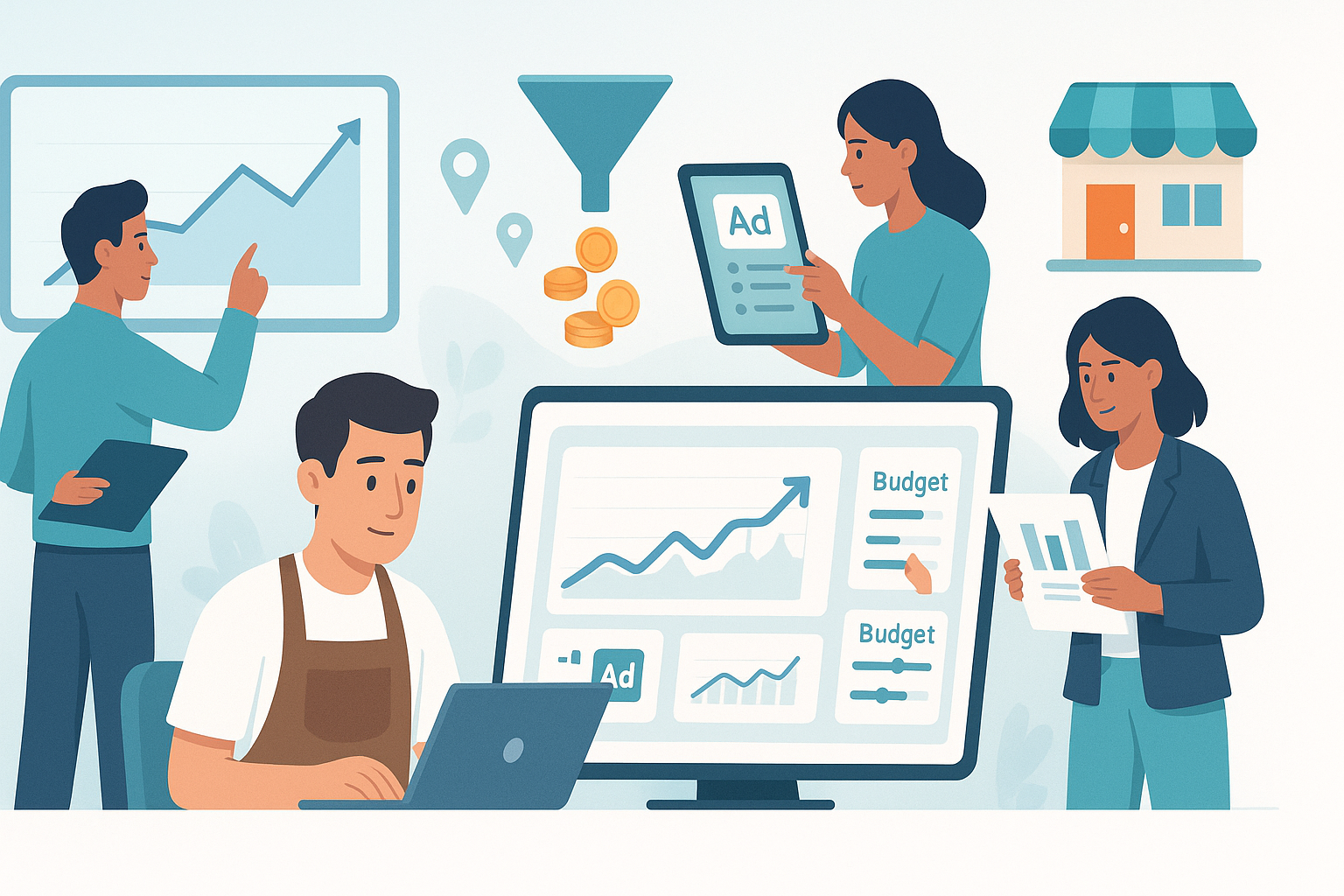
Pay-per-click (PPC) advertising puts your business in front of people who are ready to buy. Google processes over 8.5 billion searches per day. That’s a huge pool of potential customers.
But here’s the catch. Google Ads is complex. You need to manage bids, write ad copy, pick the right keywords, and track results. Small mistakes can cost you hundreds or even thousands of dollars.
A good PPC management partner handles all of this for you. They free up your time so you can focus on running your business. If you’re weighing the pros and cons, check out this helpful comparison of PPC vs. SEO for your business.
Key Factors When Choosing a Google Ads Partner

Not all paid search marketing partners are the same. Here are the most important things to look for.
1. Google Partner Status
Google offers a Partner badge to agencies that meet certain standards. These include ad spend thresholds, certification, and strong results. Look for this badge as a starting point.
A Google Partner has proven they know the platform. It doesn’t guarantee success, but it shows a basic level of skill.
2. Industry Experience
Ask if they’ve worked with businesses like yours. A partner who knows your industry will ramp up faster. They’ll already know which keywords work and which don’t.
For example, a local plumber needs a very different strategy than an online store. Make sure your partner gets that difference.
3. Clear Reporting and Communication
You should always know how your money is being spent. Good partners send regular reports that are easy to read. They also explain what the numbers mean.
Ask these questions before you sign up:
- How often will I get reports?
- What metrics will you track?
- Can I see my account anytime?
- Who is my main point of contact?
4. Transparent Pricing
Watch out for hidden fees. Some agencies charge a flat monthly fee. Others take a percentage of your ad spend. Both models can work well.
The key is knowing exactly what you’re paying for. Ask for a clear breakdown before you commit. For tips on getting the most from your budget, read this guide on how to improve your PPC ad spend.
5. Strategy Before Tactics
A great partner starts with your goals. They ask about your target customers, your budget, and what success looks like. Then they build a plan around that.
Be wary of anyone who jumps straight into tactics. If they start talking about keywords before asking about your goals, that’s a red flag.
Red Flags to Watch Out For
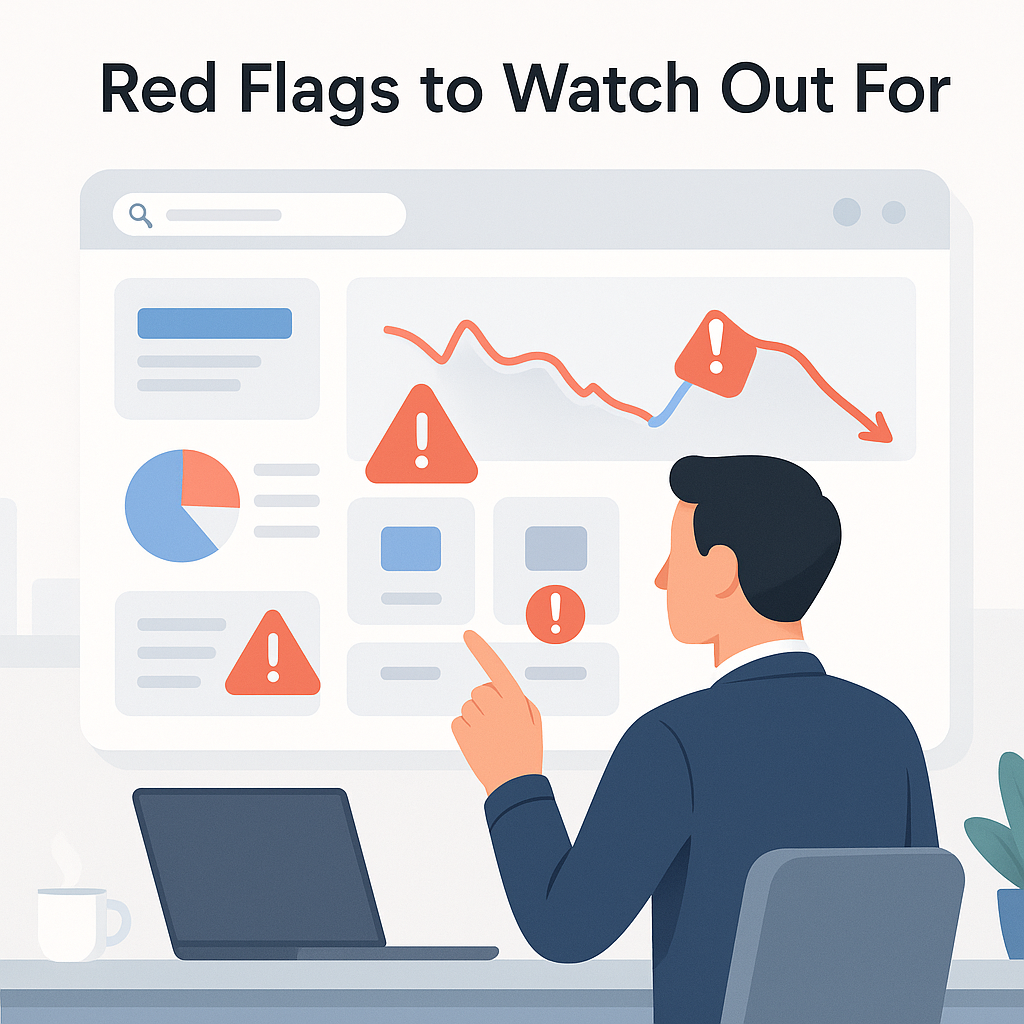
Some warning signs should make you think twice. Here are the biggest ones:
- Guaranteed rankings or results: No one can guarantee a #1 spot on Google. If they promise this, walk away.
- Long-term contracts with no exit: Good partners earn your business each month. Avoid being locked in for a year.
- No account access: You should always own your Google Ads account. If they won’t share access, that’s a problem.
- Vague reporting: If you can’t tell where your money went, something is wrong.
- One-size-fits-all approach: Your business is unique. Your ad strategy should be too.
Questions to Ask Before You Hire
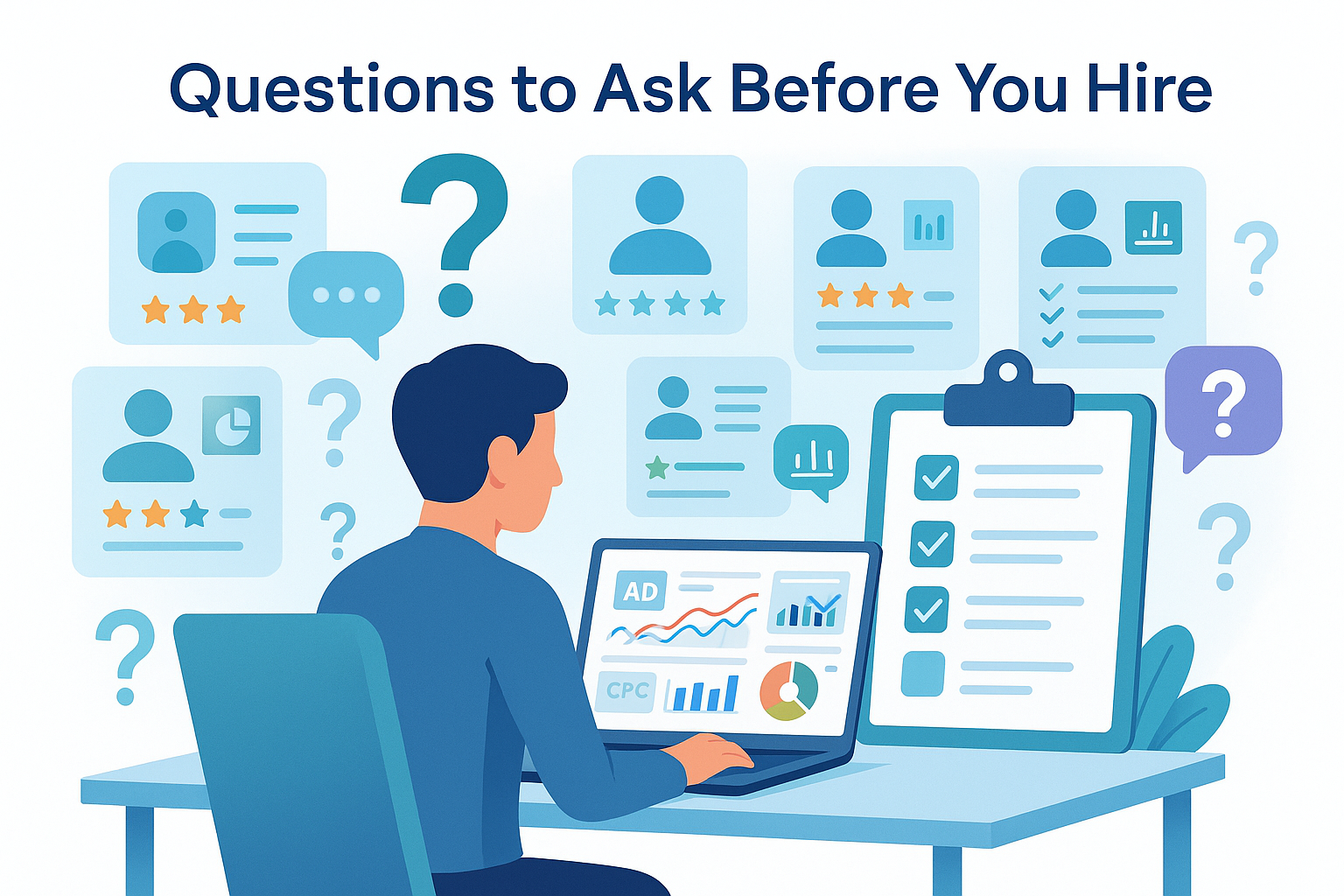
Come prepared with a list of questions. Here are some good ones to start with:
- What is your process for setting up a new campaign?
- How do you pick keywords for my business?
- What tools do you use for tracking and reporting?
- Can you share case studies or references?
- How do you handle underperforming ads?
- What happens if I want to cancel?
Their answers will tell you a lot. Look for clear, honest responses. Avoid anyone who dodges your questions or uses too much jargon.
How to Compare PPC Management Services
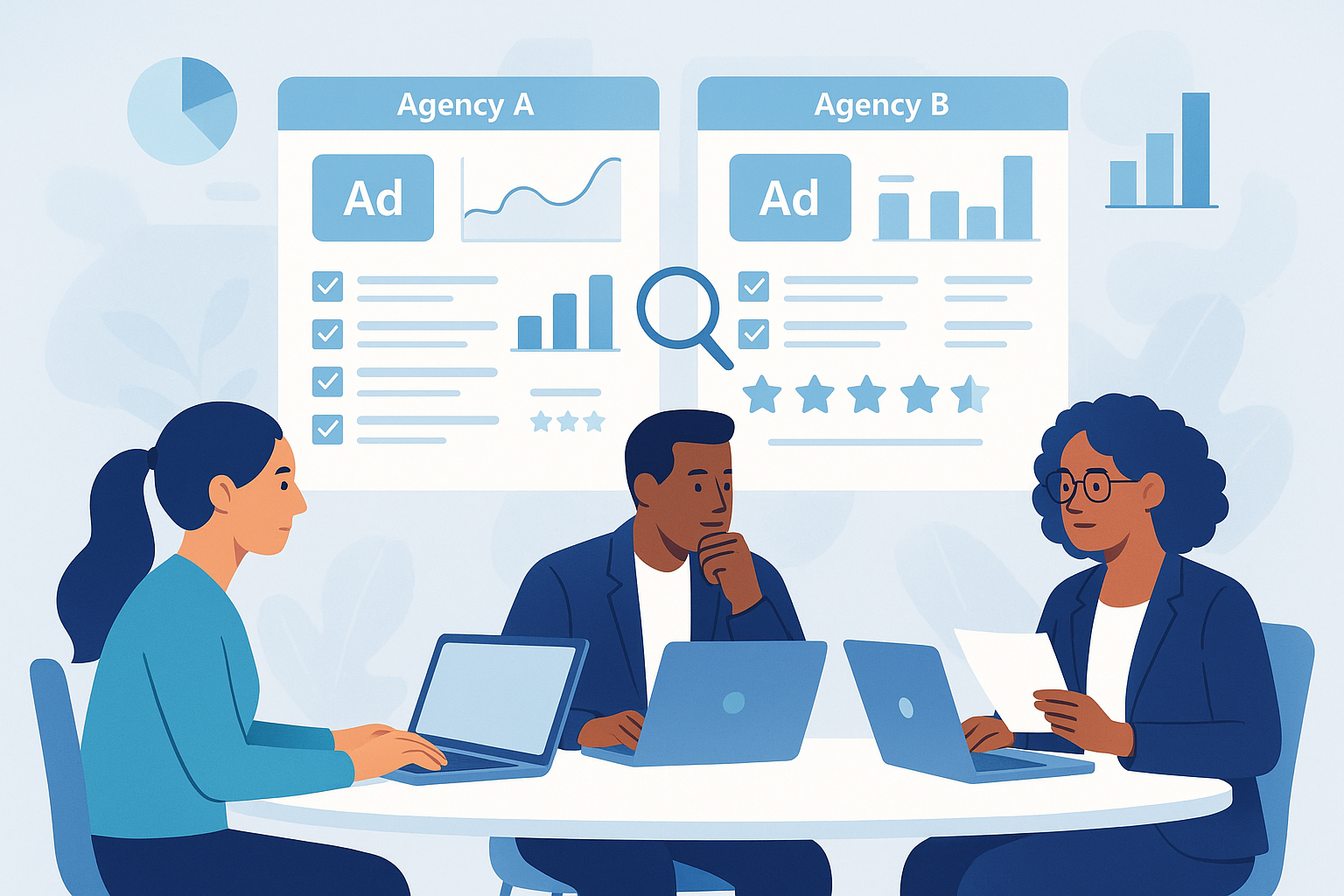
Once you’ve narrowed your list, compare your top choices side by side. Use a simple table or checklist with these factors:
- Google Partner status
- Industry experience
- Pricing model and total cost
- Reporting frequency and detail
- Contract terms and flexibility
- Client reviews and testimonials
- Communication style and speed
Don’t just go with the cheapest option. The goal is to find the best value. A slightly higher fee can mean much better results and a stronger return on your investment.
The Role of Paid Search Marketing in Your Bigger Strategy
Google Ads works best when it’s part of a bigger plan. Your paid search marketing should connect to your other channels. This includes email, social media, and content marketing.
For example, you might run Google Ads to drive traffic to a landing page. Then you use email marketing to follow up with leads. This kind of connected approach gets better results.
According to Search Engine Journal’s PPC guide, businesses that align PPC with other channels see higher conversion rates. Think of Google Ads as one piece of a larger puzzle.
What to Expect in Your First 90 Days
Good results take time. Here’s a rough timeline of what to expect:
Month 1: Setup and Research
Your partner will audit your current account if you have one. They’ll research keywords, set up tracking, and build your first campaigns.
Month 2: Testing and Learning
Expect a lot of testing during this phase. Your partner will try different ads, keywords, and bids. They’ll gather data to see what works.
Month 3: Improving and Scaling
By month three, patterns will start to show. Your partner will cut what’s not working. They’ll put more budget behind what is. For more tips on this process, check out these paid search campaign tips for small businesses.
2026 Trends in Google Ads Management
The Google Ads landscape keeps changing. Here are a few trends to know about in 2026:
- AI-powered bidding: Google’s smart bidding tools are more advanced than ever. A good partner knows when to use them and when to go manual.
- First-party data: With privacy rules tightening, first-party data matters more. Your partner should help you collect and use it.
- Performance Max campaigns: These campaigns run across all Google channels. They need careful setup and monitoring.
- Video ads: YouTube ads are growing fast. Ask if your partner can manage video campaigns too.
Staying current with these trends gives you an edge. Make sure your partner is keeping up as well.
FAQ: Choosing a Google Ads Management Partner
How much do PPC management services cost?
Costs vary a lot. Most agencies charge between $500 and $5,000 per month. Some also charge a percentage of your ad spend, usually 10-20%. Your total cost depends on your budget and goals.
How long does it take to see results from Google Ads?
You can start getting clicks within days. But meaningful results usually take 60-90 days. This allows time for testing and improving your campaigns.
Should I manage Google Ads myself or hire a partner?
If you have a small budget and time to learn, you can start on your own. But as your spend grows, a skilled partner usually saves you money. They also free up your time for other tasks.
What’s the difference between a freelancer and an agency?
Freelancers often cost less and offer personal attention. Agencies usually have bigger teams and more tools. The best choice depends on your budget and how complex your campaigns are.
Can I switch Google Ads partners if I’m not happy?
Yes, as long as you own your Google Ads account. Always make sure the account is in your name. This makes switching easy if you need to.
What metrics should I track to measure success?
Focus on these key metrics:
- Cost per click (CPC)
- Click-through rate (CTR)
- Conversion rate
- Cost per lead or sale
- Return on ad spend (ROAS)
Do I need a big budget to start with Google Ads?
No. You can start with as little as $500-$1,000 per month in ad spend. A good partner will help you make the most of whatever budget you have.
Wrapping Up: Your Next Steps
Choosing the right Google Ads management partner is a big decision. But it doesn’t have to be stressful. Focus on finding a partner who is transparent, experienced, and truly interested in your goals.
Start by making a shortlist of two or three options. Ask the questions from this guide. Compare their answers, pricing, and communication style. Trust your gut — if something feels off, it probably is.
The right partner can turn Google Ads into one of your best sources of new customers. Take your time, do your homework, and you’ll find a great fit. If you’d like to explore more marketing tips, browse our blog for more helpful guides.