
10 Local SEO Mistakes DC Metro Businesses Make (and How to Fix Them)
I’ve worked with many small businesses in the DC metro area — restaurants in Arlington, law firms in Bethesda, HVAC companies in Fairfax, and more. The same local SEO mistakes keep showing up again and again. It feels like a checklist at this point.
Most of these mistakes are easy to fix. But people often miss them because they are busy running their business. Let’s go through the ten mistakes I see most and how to fix them.
1. Treating Your Google Business Profile Like a “Set It and Forget It” Thing

This is a big mistake. Business owners set up their Google Business Profile (GBP) when they open. Then, they never update it again. Google watches how active your profile is and rewards businesses that keep it fresh.
Keeping it fresh means posting updates every week, adding new photos, replying to all reviews, and updating your hours for holidays. A client in Silver Spring posted weekly updates and saw their profile views jump about 40% in two months. This shows Google you are active.
2. Inconsistent NAP Information Across the Internet
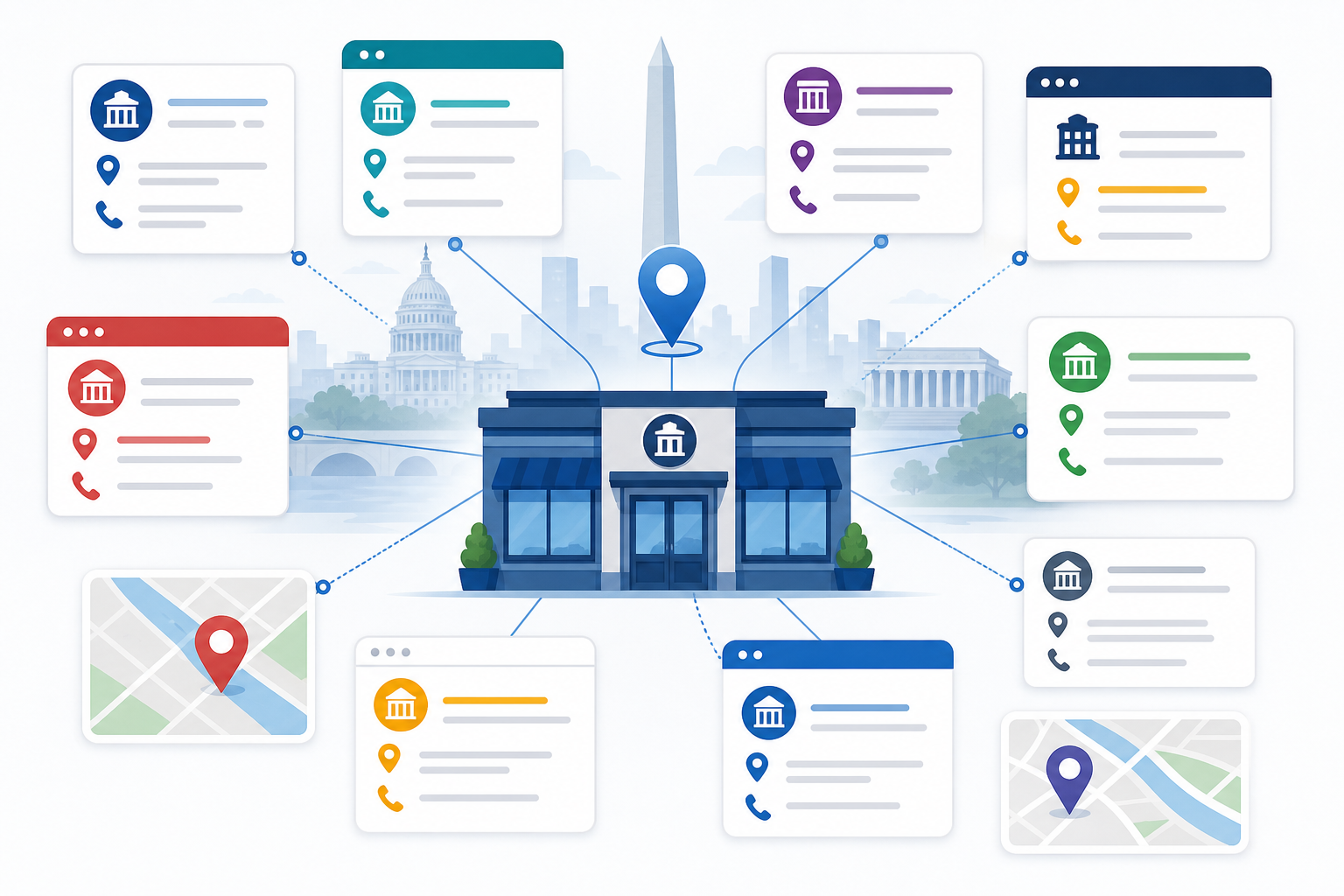
NAP means Name, Address, and Phone number. It sounds simple, but many businesses mess this up. Maybe you move offices or change your phone number. Or someone writes your business name differently on Yelp, your website, or Facebook.
Google trusts businesses with consistent info. If your info does not match everywhere, Google trusts you less. The fix is to check every listing and make sure they all match. Tools like BrightLocal or Moz Local can help you do this faster.
3. Ignoring Local Keywords (or Stuffing Them Awkwardly)
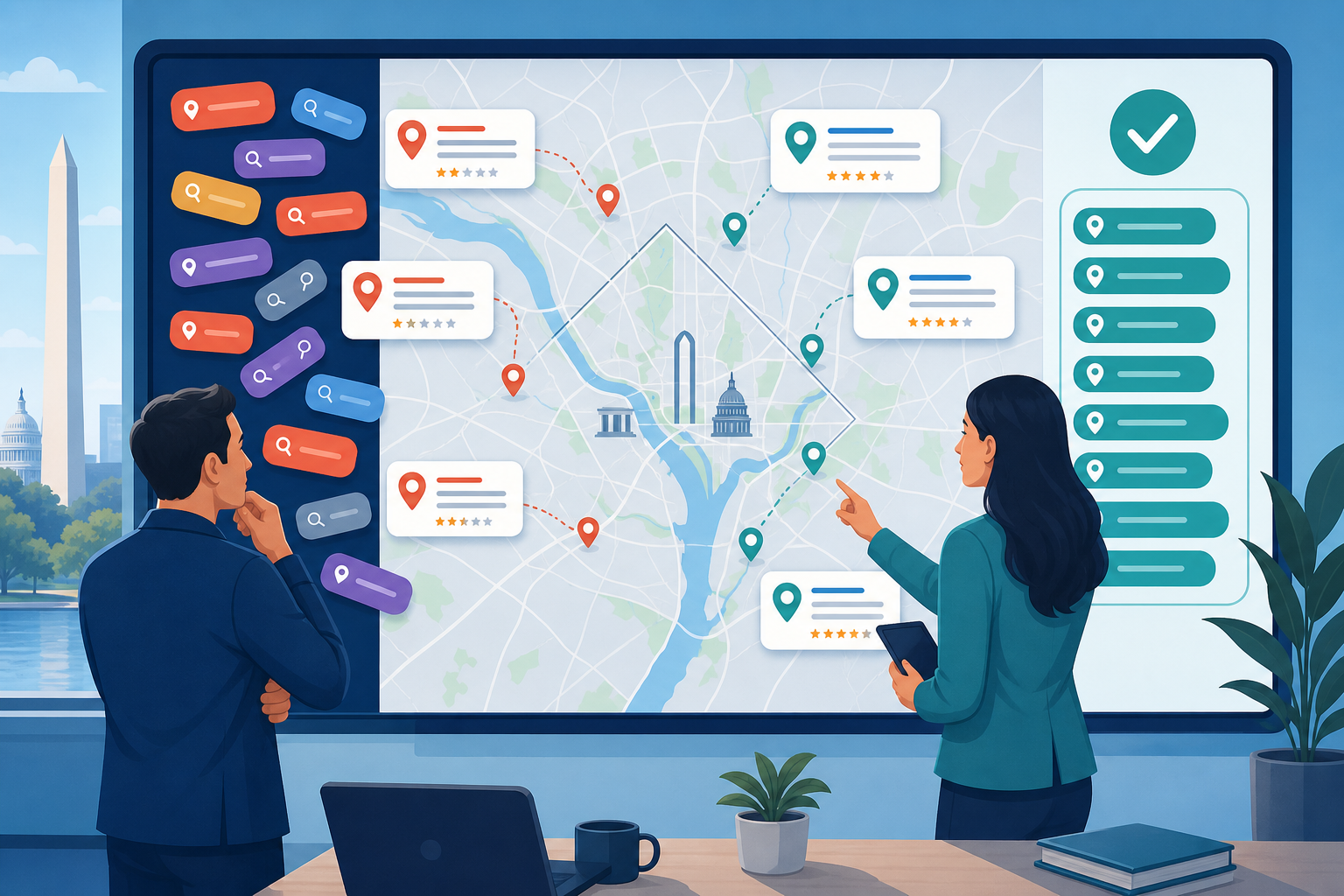
You don’t want to never mention your location. But you also don’t want to say it too much in a weird way. For example, “Our DC plumbing services in Washington DC serve the DC metro area of DC” sounds bad.
Instead, use neighborhood and city names naturally. Think about how your customers search. They type “accountant near Tysons Corner” or “CPA in Alexandria VA,” not just “best accountant.” If you want to learn more, this on-page SEO checklist is a good start.
4. Not Having Location Pages (When You Serve Multiple Areas)
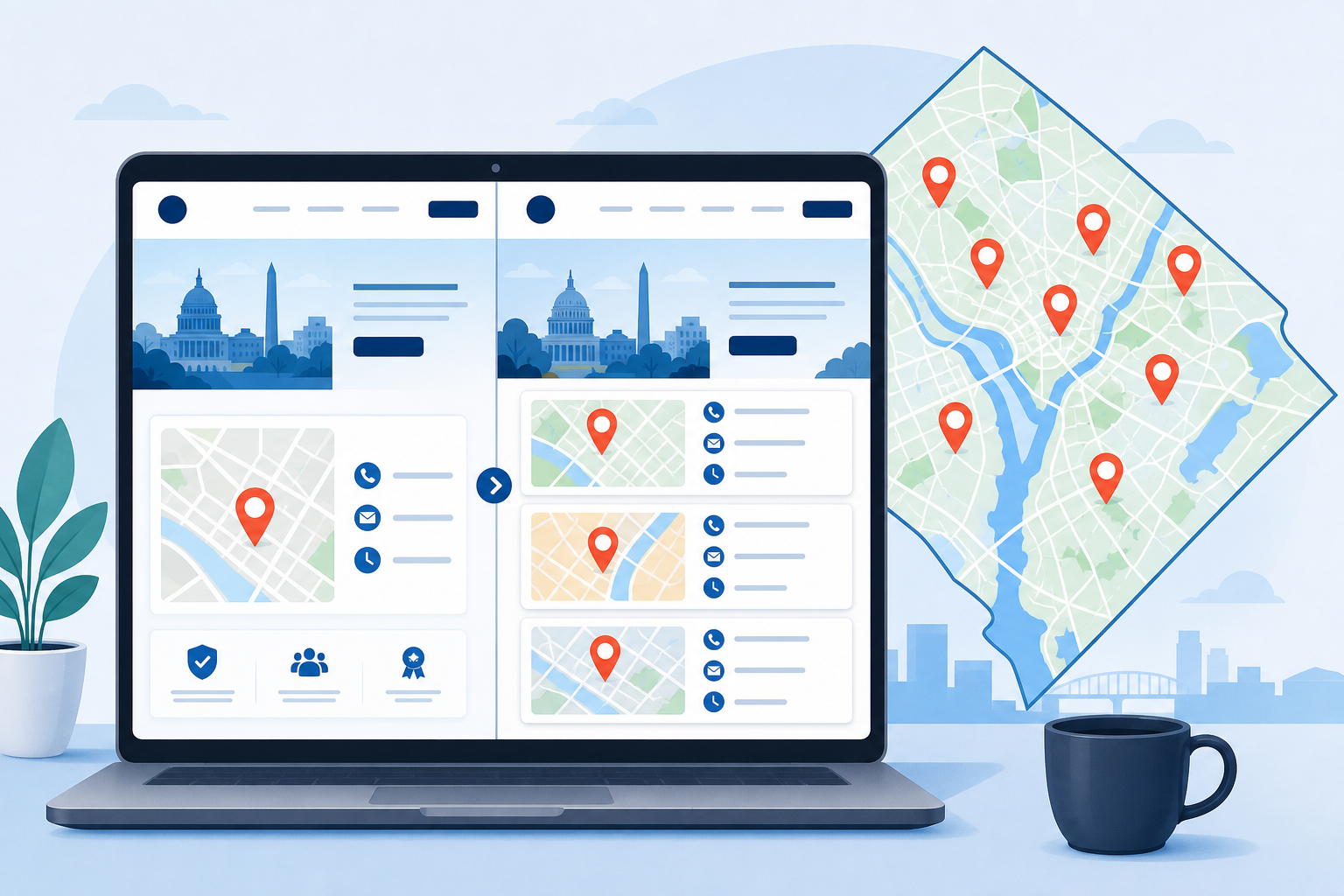
This is very important for DC metro businesses. The area includes DC, Northern Virginia, and parts of Maryland. If you serve Rockville, Reston, and Capitol Hill, you need a page for each place. Don’t just copy and paste the same page with a different city name.
Each page should have unique content about the area you serve. It takes time to write, but a single generic page can’t compete with pages made for each location.
5. Collecting Zero Reviews (or Only Responding to Negative Ones)
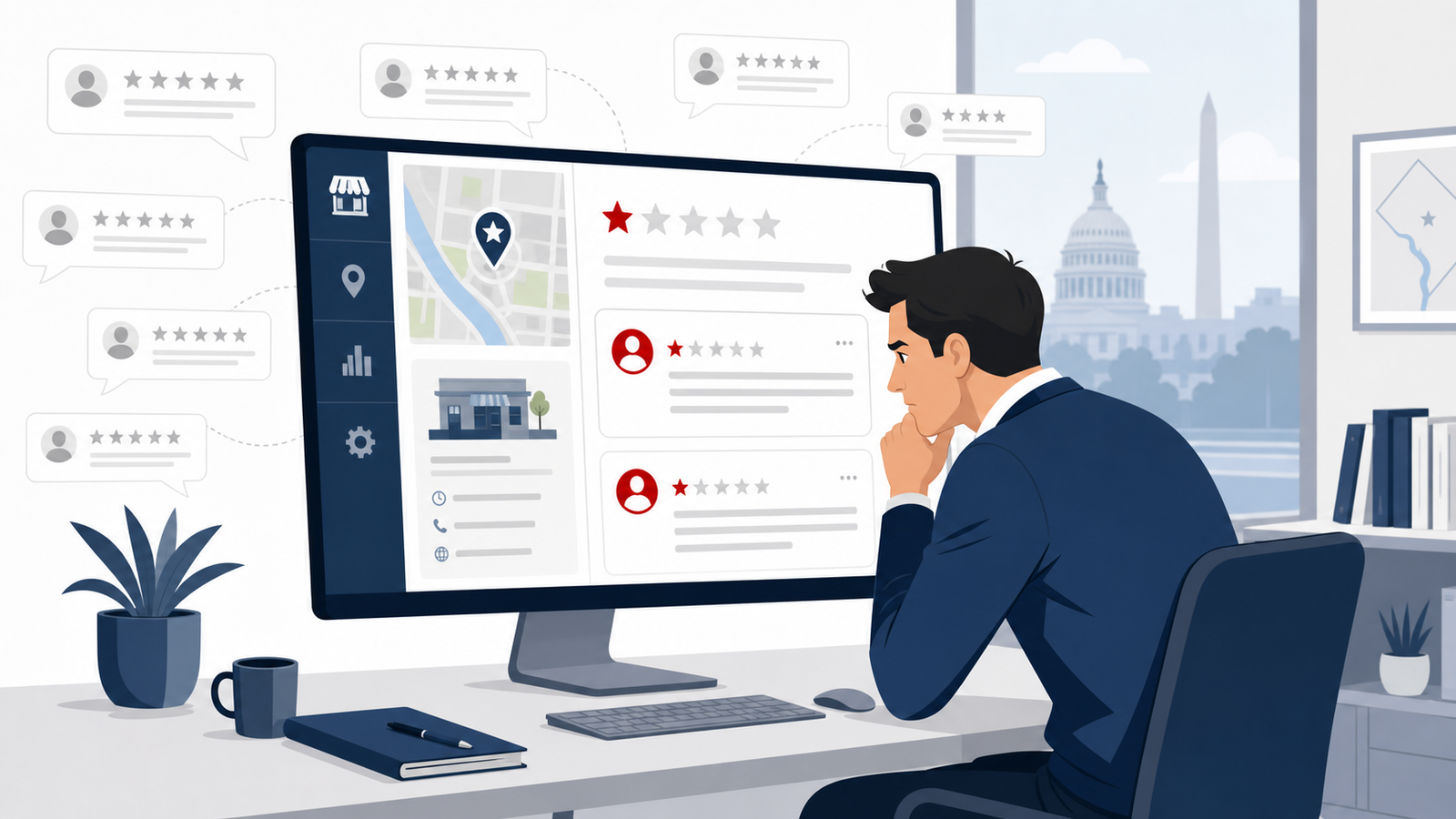
Reviews are like word-of-mouth but online. In a busy market like DC, they matter a lot for local search rankings.
Common mistakes are:
- Never asking customers for reviews
- Only having old reviews from years ago
- Replying only to bad reviews and ignoring good ones
Reply to all reviews. Thank happy customers and be kind to unhappy ones. Make it easy to ask for reviews — use follow-up emails or QR codes. Being consistent is more important than being perfect.
6. A Website That Loads Like It’s 2009
Slow websites hurt your local SEO. Google says page speed and mobile experience matter. Many DC businesses still use slow websites with too many plugins or sites that don’t work well on phones.
Check your site with Google’s PageSpeed Insights. If your mobile score is below 50, fix it before spending money on other things. For more help, this technical SEO checklist explains the basics.
7. No Local Link Building Strategy
Backlinks still matter for SEO, including local SEO. But many small businesses in DC don’t think about local link building.
You don’t need links from big sites like the Washington Post. Links from local groups like chambers of commerce, business associations, event pages, and community blogs are very valuable. Sponsor a local team or work with a nonprofit. Get listed in local directories. These simple steps work well.
8. Skipping Schema Markup
Schema markup is code you add to your website. It helps search engines understand your business, location, services, and hours. Most small business sites don’t have it.
It’s not hard to add. At least add LocalBusiness schema. Google’s guide shows you how, or a good developer can do it in a few hours.
9. Forgetting That Content Needs to Be Local Too
Many businesses write about general topics that don’t relate to their local area. This helps build authority but won’t help local rankings much.
Write about local events you join. Make guides for your area. Talk about challenges that DC metro businesses face, like working with the federal government or seasonal changes. This shows Google you are part of the community. If you want ideas, our local SEO guide can help.
10. Trying to DIY Everything Forever
It’s good to learn the basics and do what you can. But SEO is getting more complex. Most business owners hit a wall after doing the easy stuff like claiming their GBP and fixing listings.
That’s when it makes sense to get help. Not because you can’t learn it, but because your time is valuable. A good local SEO agency in DC should explain what they do in simple words. If they can’t, that’s a warning. If you’re deciding between SEO or paid ads, this comparison can help.
Frequently Asked Questions
How long does it take to see results from fixing these local SEO mistakes?
It depends on the fix. Fixing your GBP and NAP info can show results in a few weeks. Building local links and making content takes 3-6 months. SEO is never instant — anyone who says it is, is selling something.
Do I really need a separate page for every city I serve?
If you want to rank in those areas, yes. One page listing many cities won’t work well.
What if I only have a few reviews?
Start asking now. Getting 15-20 real reviews puts you ahead of many local competitors. Make it easy — send a direct link to your Google review page.
Is local SEO different from regular SEO?
They share the same basics but focus on different things. Local SEO focuses more on your Google Business Profile, local listings, reviews, and location. Regular SEO focuses on your website’s authority, content, and broad keywords. Most DC businesses need both, but local SEO gives faster results.
Can I do local SEO myself or do I need to hire someone?
You can do the basics yourself — claim your GBP, keep info consistent, ask for reviews, and write local content. But if your market is crowded, hiring a pro can save time and get better results. It depends on your time and how tough your market is.
What’s the most common mistake you see?
Not updating the Google Business Profile. It’s free and powerful, but many businesses treat it like a form to fill once.
Does social media help with local SEO?
Not directly. Social media doesn’t affect rankings by itself. But being active on social media brings traffic, builds your brand, and can get local mentions and links. It helps overall.
Wrapping Up
The main point is this: most local SEO mistakes DC businesses make are simple but ignored. Your Google Business Profile is the most important thing you can improve today. It only takes a little time each week and costs nothing.
The DC market is tough, but small improvements can make a big difference. Start with easy fixes, build from there, and ask for help when you need it. If you want to learn more, there’s lots more on our blog. Or just contact us if you get stuck.