
12-Week SEO Content Planning Guide to Build Authority and Leads
You know your business needs content. But sitting down to write feels overwhelming. Where do you start? What topics matter most? How do you turn blog posts into real leads?
This 12-week SEO content planning guide breaks it all down. You will get a clear, week-by-week roadmap. It is built for small business owners and marketing managers who want results without wasting time.
By the end of 12 weeks, you will have topical authority in your niche. You will also have a system that brings in leads on autopilot. Let’s walk through it together.
What Is Topical Authority and Why Does It Matter?
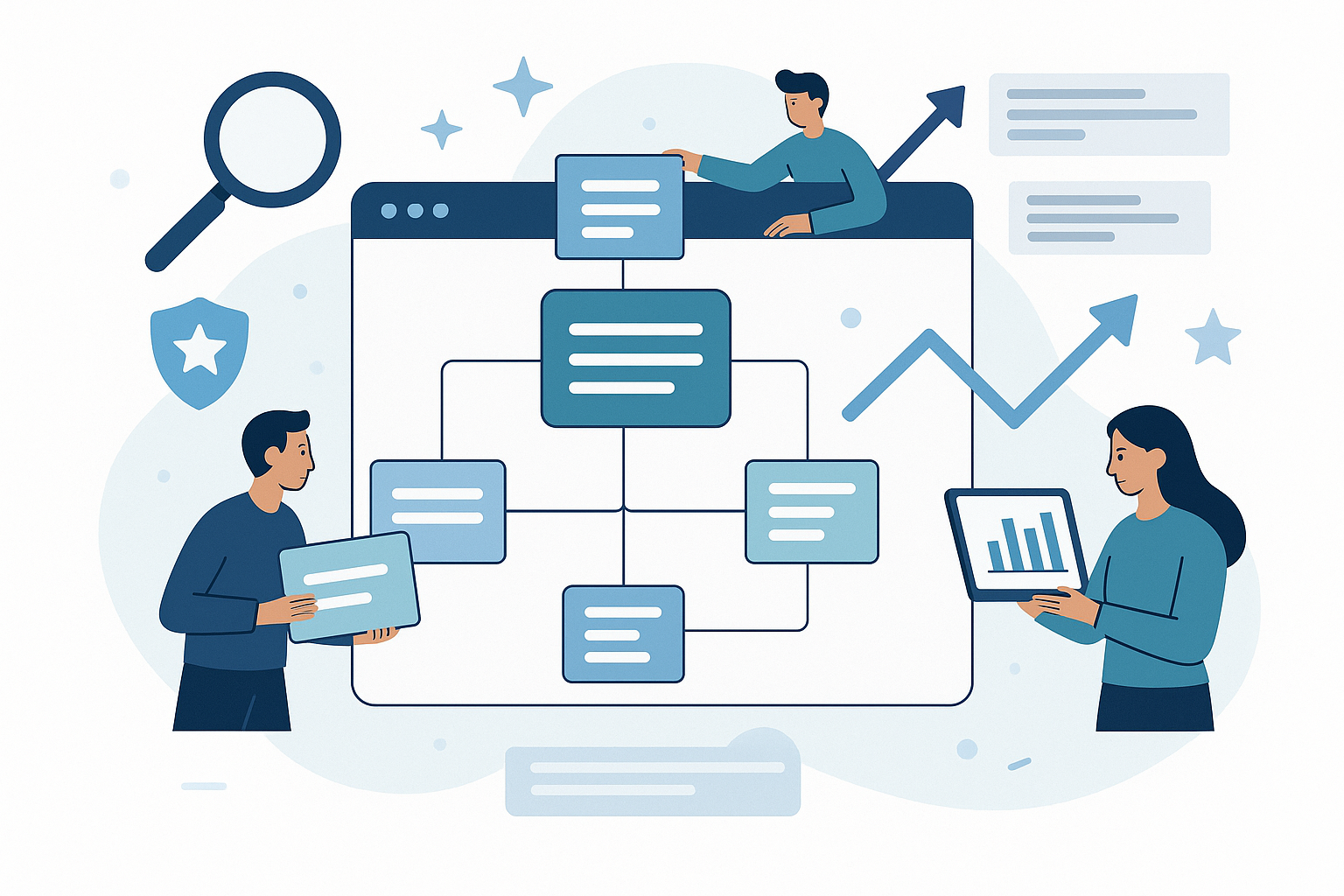
Topical authority means Google sees you as an expert on a subject. You earn it by publishing helpful, connected content around a core topic. The more you cover, the more Google trusts your site.
Topical authority is more important than ever. Google’s algorithms now reward depth over volume. A few great posts on one topic beat dozens of random articles.
According to Google’s helpful content guidelines, content should show first-hand expertise. Your 12-week plan will do exactly that.
Before You Start: Set Up Your Foundation

Good content starts with good planning. Spend a few days on these basics before week one.
Pick Your Core Topic Cluster
Choose one main topic your business knows best. This becomes your “pillar” topic. Every piece of content you create will connect back to it.
For example, a home services company might pick “kitchen remodeling.” A marketing agency might choose “local SEO.” Keep it focused.
Do Basic Keyword Research
Find 15 to 20 keywords related to your core topic. Use free tools like Google Keyword Planner or Ubersuggest. Group them by search intent:
- Informational: “How to” and “what is” queries
- Commercial: “Best,” “top,” and comparison queries
- Transactional: “Near me,” “hire,” and “buy” queries
If you need help with the technical side, check out this small business SEO checklist for a strong starting point.
Audit Your Current Content
Look at what you already have. Can any old posts be updated? Are there gaps in your topic coverage? Note these for your plan.
Weeks 1–4: Build Your Content Base
The first month is about laying the groundwork. You will create your most important pages first.
Week 1: Create Your Pillar Page
Write one long, detailed page on your core topic. This is your pillar page. It should be 1,500 to 2,500 words.
Cover the topic broadly. Link out to subtopics you will write about later. Think of it as a table of contents for your expertise.
Week 2: Write Two Supporting Blog Posts
Pick two informational keywords from your list. Write one blog post for each. Each post should be 800 to 1,200 words.
Link each post back to your pillar page. This creates your topic cluster. Google loves this structure.
Week 3: Add a Comparison or “How-To” Post
Create a post that answers a common question. “How-to” posts and comparisons perform well in search. They also attract readers who are close to buying.
For instance, if you are exploring whether to invest in paid ads or organic content, this guide on PPC vs. SEO can help you decide.
Week 4: Review and Improve
Look at your first three posts. Check for broken links and typos. Add internal links between all your new content.
Also set up Google Search Console if you haven’t yet. You need data to guide the next eight weeks.
Weeks 5–8: Expand Your Authority

Now you have a base. It is time to go deeper and wider.
Week 5: Target Long-Tail Keywords
Long-tail keywords are longer, more specific phrases. They have less competition. They also attract more qualified visitors.
Write two posts targeting long-tail keywords. Each should solve a very specific problem your audience faces.
Week 6: Create a Lead Magnet
Turn your best content into a downloadable resource. This could be a checklist, template, or short guide. Gate it behind an email form.
This is where content turns into leads. According to HubSpot’s 2025 content marketing report, businesses that use lead magnets see 3x more conversions than those that don’t.
Week 7: Write a Guest Post or Collaborate
Reach out to a related business or blog. Offer to write a guest post. This builds backlinks and expands your reach.
Even one quality backlink from a relevant site helps your rankings. Focus on quality, not quantity.
Week 8: Update and Refresh Old Content
Go back to your earliest posts. Add new data or examples. Update any stats from before this year. Refresh the meta descriptions too.
Google rewards fresh content. A quick update can boost your rankings fast. You can learn more about building a long-term plan in this content strategy guide.
Weeks 9–12: Convert Traffic Into Leads

Your content is ranking. Traffic is growing. Now focus on turning visitors into customers.
Week 9: Add Clear Calls to Action
Review every blog post. Does each one tell the reader what to do next? Add a clear next step to each page.
Good calls to action include:
- Download a free resource
- Sign up for your email list
- Read a related blog post
- Fill out a contact form
Week 10: Build an Email Nurture Sequence
Set up a simple three-email sequence for new subscribers. Welcome them. Share your best content. Then make a soft offer.
Email is still one of the best ways to convert leads. For tips on doing this well, read this guide on email marketing for small businesses.
Week 11: Analyze Your Results
Check Google Search Console and Google Analytics. Look at which posts get the most traffic. Note which keywords are climbing.
Key metrics to track:
- Organic traffic per post
- Keyword rankings
- Click-through rate from search
- Leads or sign-ups from each page
- Bounce rate
Week 12: Plan Your Next Quarter
Use your data to plan the next 12 weeks. Double down on what works. Drop what doesn’t. Add new keyword targets based on what you learned.
This cycle of create, measure, and improve is the heart of blog writing and content strategy. Each quarter builds on the last.
Quick Tips for Better SEO Content
Keep these tips in mind throughout your 12-week plan:
- Write for people first. Google’s algorithms follow user behavior. Help your reader and rankings will follow.
- Use one primary keyword per post. Don’t stuff keywords. Use them naturally in titles, headers, and the first 100 words.
- Add images and alt text. Visual content improves engagement. Alt text helps with image search.
- Keep paragraphs short. Most people read on phones. Short blocks of text are easier to scan.
- Link your posts together. Internal links help Google understand your site. They also keep readers on your site longer.
- Think about answer engines. AI-powered search tools pull answers from well-structured content. Learn more about answer engine optimization to stay ahead.
Frequently Asked Questions
How many blog posts should I publish per week?
Aim for one to two posts per week. Consistency matters more than volume. One great post beats three rushed ones.
Can I do this without hiring a writer?
Yes. Many small business owners write their own content. You know your business best. Use this guide as your roadmap and write in your own voice.
How long before I see results from SEO content?
Most businesses see early results in 8 to 12 weeks. Big gains often come after 6 months. SEO is a long game, but it compounds over time.
What if I run out of topic ideas?
Check Google’s “People Also Ask” section. Read customer reviews for common questions. Look at competitor blogs for gaps you can fill.
Do I need content marketing services to succeed?
Not always. This guide gives you a DIY framework. But if you hit a wall, professional content marketing services can speed things up.
Should I focus on blog posts or other content types?
Start with blog posts. They are the easiest way to build topical authority. Later, add video, email, and social media to your mix.
How do I know which keywords to target first?
Start with low-competition, high-intent keywords. These are easier to rank for. They also attract visitors who are ready to act.
Wrapping Up Your 12-Week SEO Content Plan
Building topical authority takes time. But with a clear plan, you can make real progress in just 12 weeks. Here is what to remember:
- Start with one core topic and build a cluster around it
- Publish consistently — one to two posts per week
- Link your content together with internal links
- Create a lead magnet by week 6
- Measure results and adjust every quarter
You don’t need a huge budget or a big team. You need a plan and the discipline to follow it. This 12-week SEO content planning guide is your starting point.
If you want to dive deeper, explore more resources on our blog. And if you ever need a hand with your content strategy or SEO services, don’t hesitate to reach out for guidance.